Inside the Explosive MeToo Documentary Featuring Varun Grover, Sona Mohapatra and Alankrita Shrivastava
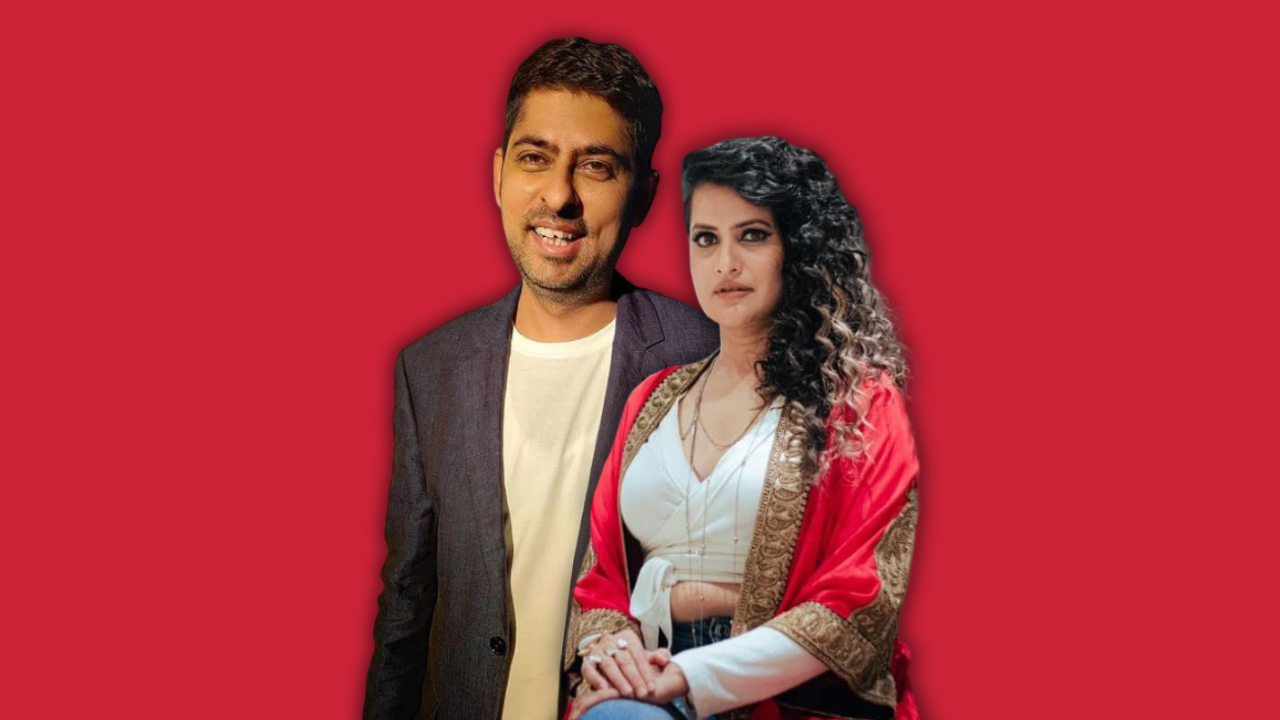
A new documentary revisiting India’s MeToo movement is set to reignite conversations around power, silence and accountability within the country’s creative industries. Featuring prominent voices such as comedian and writer Varun Grover, singer‑activist Sona Mohapatra, and filmmaker Alankrita Shrivastava, the film offers an unflinching look at the emotional, professional and cultural fallout of speaking truth to power.
Rather than framing MeToo as a moment frozen in time, the documentary positions it as an ongoing process one marked by courage, backlash and unresolved consequences. Through deeply personal reflections, the film examines what it truly meant to speak out in an industry where reputation, access and survival are often controlled by a powerful few.
Sona Mohapatra’s presence in the documentary anchors its emotional core. One of the earliest and most outspoken voices during India’s MeToo reckoning, Mohapatra reflects on the cost of visibility—how calling out abuse often led to professional isolation rather than justice. Her testimony highlights a recurring theme: that while public support may surge temporarily, systemic change remains slow and deeply contested.
Varun Grover adds a critical dimension to the narrative by addressing allyship, accountability and the role of men in dismantling exploitative structures. His insights push the conversation beyond outrage, urging introspection within creative communities that often pride themselves on progressiveness while protecting harmful hierarchies behind the scenes.
Filmmaker Alankrita Shrivastava, known for her unapologetic exploration of gender and agency, contextualises MeToo within a larger cultural framework. Her perspective underscores how storytelling itself becomes a site of resistance where documenting lived experience challenges both erasure and denial. The documentary, under her lens, becomes not just reportage but an act of preservation.
What makes the film particularly impactful is its refusal to offer easy resolutions. It does not present MeToo as a completed victory, but as a movement still grappling with fear, fatigue and institutional pushback. Survivors speak not only of trauma, but of exhaustion—of having to repeatedly justify their truth in a culture that demands proof over empathy.
The documentary also interrogates the entertainment industry’s selective memory. While public discourse often celebrates the courage of survivors, professional ecosystems frequently continue unchanged. Gatekeepers remain intact, whisper networks persist, and consequences are unevenly applied usually at the expense of those who spoke up.
In revisiting these stories, the film forces viewers to confront uncomfortable questions: Who pays the price for truth? Who gets protected by silence? And what does accountability look like when systems are designed to absorb outrage and move on?
At a time when conversations around gender justice risk being reduced to online flashpoints, this documentary insists on depth. It reminds audiences that MeToo was never just about individual allegations it was about exposing patterns of power and demanding structural reform.
By centring voices like Grover, Mohapatra and Shrivastava, the film becomes both a record and a reckoning. It doesn’t ask for sympathy it asks for responsibility. And in doing so, it reasserts why the MeToo movement, despite resistance and fatigue, remains necessary.
Read More About: Armaan Malik Reflects on an 18‑Year Journey in Music, Rooted in Memory and Reinvention

Leave a Comment