Inspired by a Fakir, He Sang 26,000 Songs and Became Indian Cinema’s Eternal Voice
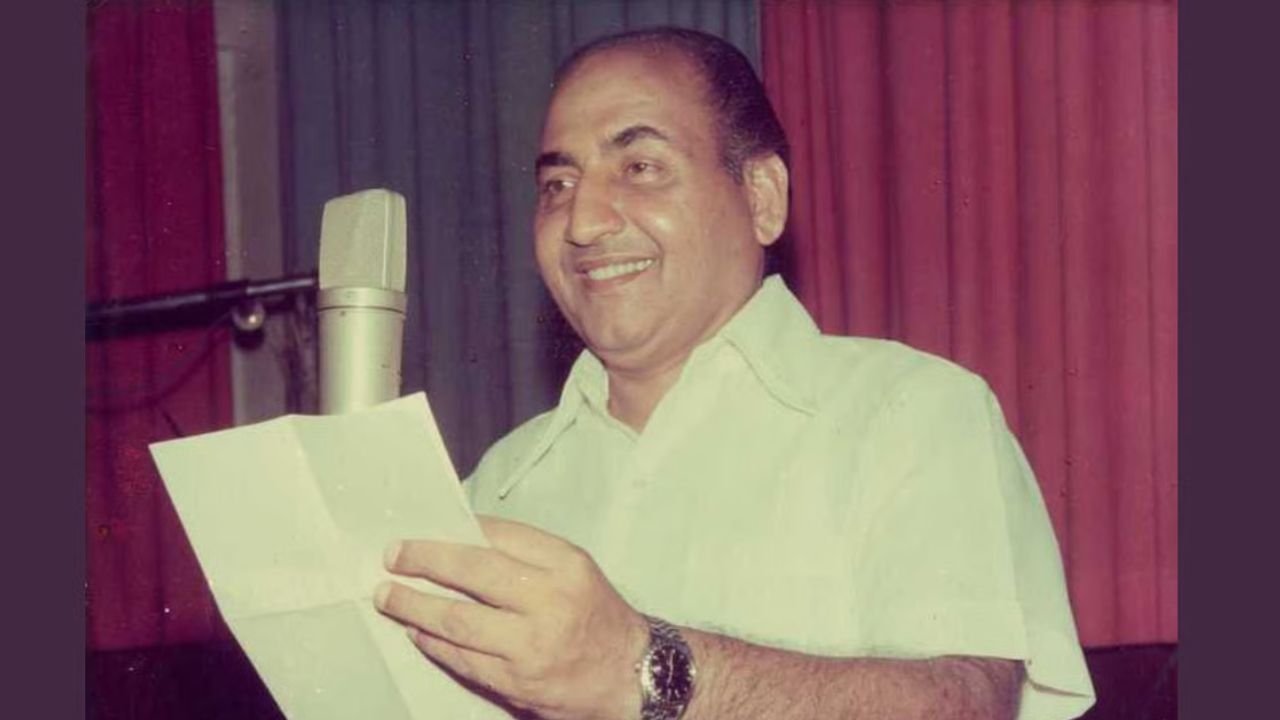
Some voices don’t belong to an era they belong to time itself. Long before playlists, algorithms or studio polish defined success, Mohammed Rafi emerged as a voice shaped by devotion, discipline and an almost spiritual relationship with music. Inspired by a wandering fakir in his childhood, Rafi would go on to sing an astonishing 26,000 songs, becoming one of Indian cinema’s most enduring and beloved voices.
Rafi’s journey into music did not begin in recording studios or concert halls. It began with listening. As a young boy, he was deeply moved by a fakir’s singing a moment often described as the spark that awakened his devotion to music. That early exposure to spiritual expression shaped not just his technique, but his approach. For Rafi, singing was never about display. It was about surrender.
Over the decades, Rafi’s voice became synonymous with emotional truth. He could move effortlessly between romance, devotion, patriotism, sorrow and joy, often within the same film. What made him extraordinary wasn’t just range it was empathy. He didn’t sing at emotions; he inhabited them. Whether voicing a joyful lover, a broken soul or a seeker of faith, Rafi made every emotion feel personal.
The sheer scale of his contribution is staggering. With over 26,000 recorded songs across multiple languages, Rafi shaped the sonic identity of Hindi cinema and regional industries alike. Yet, despite this monumental output, his singing never felt mechanical. Each song carried intention, humility and grace a rare balance between consistency and freshness.
One of the reasons Rafi continues to feel timeless is his ability to dissolve into the character on screen. He didn’t impose his voice; he adapted it. His playback singing felt inseparable from the actors he voiced, creating an illusion where sound and performance became one. That seamless blend is why generations of listeners still feel emotionally attached to his songs, even decades later.
Beyond the microphone, Rafi was known for his humility. Despite unparalleled success, he remained deeply grounded, often choosing simplicity over spectacle. That personal philosophy echoed in his music never loud for the sake of attention, always sincere in intent.
In today’s age of digital perfection and vocal correction, Rafi’s legacy feels almost radical. His recordings remind us of a time when emotion mattered more than precision, and when music was an offering rather than a product. Listeners return to his songs not out of nostalgia alone, but because they still feel alive.
Inspired by a fakir, shaped by faith, and guided by honesty, Mohammed Rafi didn’t just sing songs he gave Indian cinema a voice that refuses to fade. And that is why, even today, his music continues to discover new listeners, one quiet moment at a time.
Read More About: Living in the Melody of Mohammed Rafi: A Fan’s Journey Across Time and Tone


Leave a Comment