Why Tinariwen Headlining India Jazz Project Feels Like a Cultural Moment
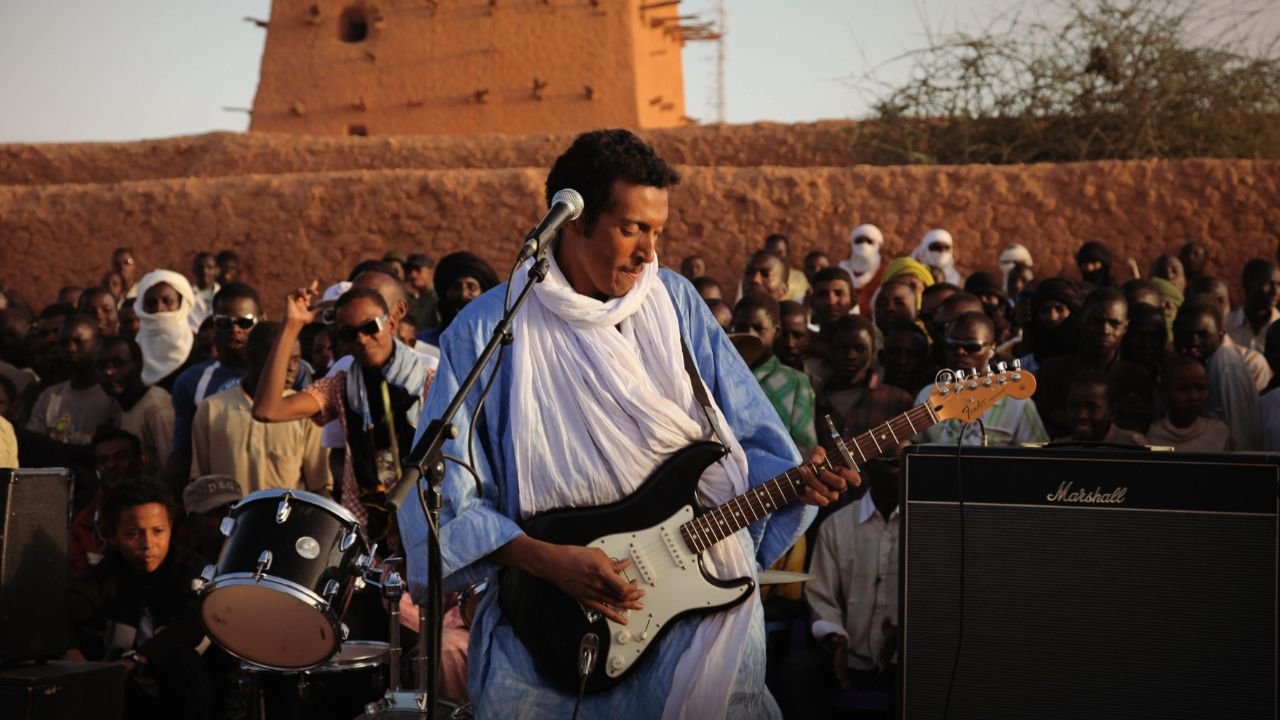
When global music cultures meet meaningfully, the result isn’t novelty it’s recognition. The decision to have Tinariwen headline the inaugural edition of India Jazz Project feels rooted in that kind of intent. This isn’t just about bringing an internationally celebrated act to Indian stages. It’s about creating a conversation between traditions that understand rhythm, resistance and storytelling at their core.
Tinariwen’s music has always carried more than melody. Born from the Tuareg people of the Sahara, their sound blends desert blues, folk, and rock into something deeply political and profoundly human. Their songs speak of displacement, identity, memory and survival not as concepts, but as lived reality. That emotional weight is what gives their music global resonance, far beyond language or geography.
In the context of India Jazz Project, their presence feels especially significant. Jazz, like desert blues, is rooted in movement, improvisation and expression shaped by struggle. Both traditions grew from communities finding voice through sound. Bringing Tinariwen into this space doesn’t dilute jazz it expands the idea of what jazz‑adjacent culture can hold in India today.
For Indian audiences, this moment represents exposure without translation. Tinariwen’s music doesn’t explain itself. It invites listening. The grooves are hypnotic, the guitar lines repetitive in the most meditative way, and the vocals carry a sense of collective memory. You don’t need to understand the words to feel the intent. That’s where connection happens.
This also signals a larger shift in how Indian live music culture is evolving. Festivals are no longer just about familiar names or predictable genres. There’s growing appetite for artists who bring context, history and depth. Tinariwen’s inclusion reflects confidence trusting that audiences are ready for music that challenges as much as it comforts.
Live, Tinariwen’s performances are immersive rather than explosive. The power builds slowly, carried by rhythm and repetition. That patience aligns naturally with listeners willing to stay present rather than chase moments. It’s music that asks you to listen with your whole body.
Culturally, this headline choice matters because it positions India not just as a consumer of global music, but as a participant in global musical dialogue. Tinariwen aren’t being framed as exotic guests. They’re being positioned as equals artists whose stories deserve space on Indian stages.
As India Jazz Project begins its journey, this choice sets a tone. It suggests that the future of live music in India isn’t only about scale or spectacle. It’s about connection. About recognising that some sounds travel not because they are loud, but because they are true.
Tinariwen headlining isn’t a booking decision.
It’s a statement of intent.
Read More About: What Talwiinder’s Success Teaches Us About the New Rules of Indian Pop


Leave a Comment