Why Amaal and Armaan Malik’s Response to Comparison Culture Matters Right Now
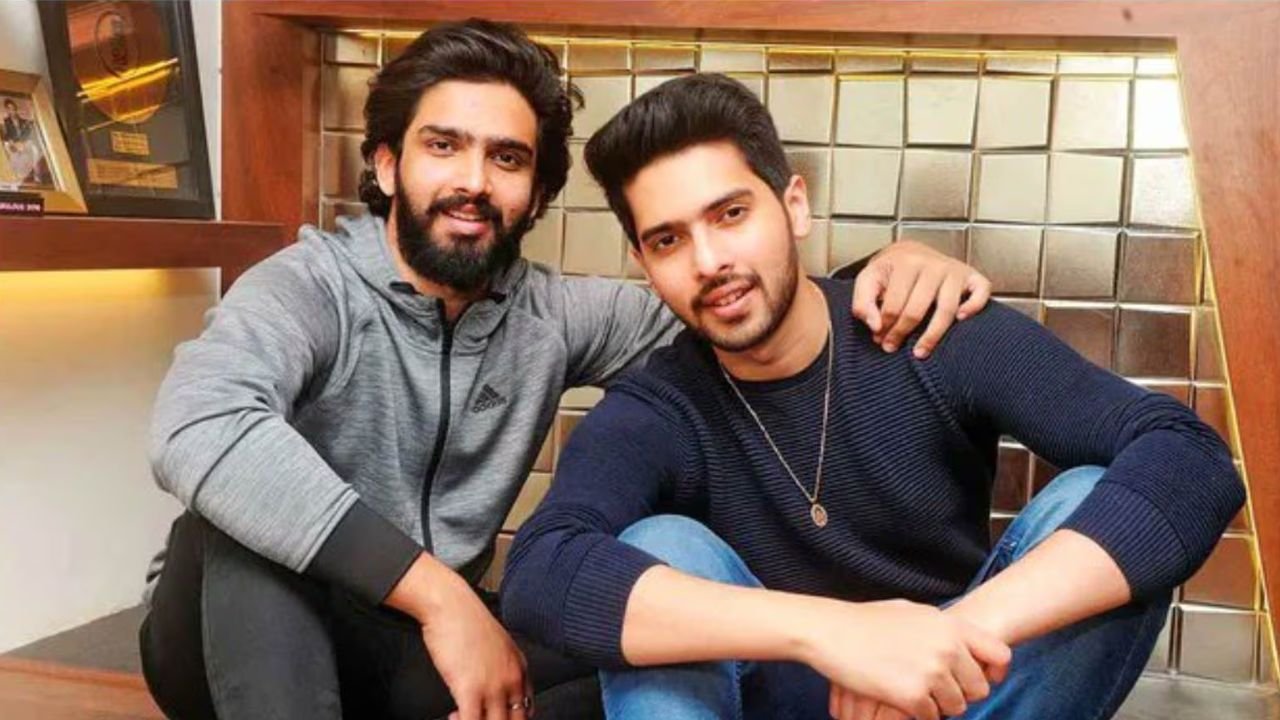
Indian music fandom has grown louder, faster and more emotionally invested than ever. While that passion often fuels visibility and success, it can also distort how artists are perceived especially when talent is framed as competition. The recent exchange involving Amaal Mallik and Armaan Malik brought that tension into focus, not through conflict, but through clarity.
Instead of leaning into narrative drama, both artists chose restraint. Armaan’s message urging fans not to pit siblings against each other wasn’t defensive it was grounding. Amaal’s response echoed that sentiment, reinforcing something rarely articulated in public: comparison culture doesn’t just misrepresent artists, it flattens their individuality.
What makes this moment significant is its timing. Indian music audiences today consume songs, reels, interviews and opinions simultaneously. Artists aren’t just judged on output, but on perceived hierarchy. In that environment, comparisons become shortcuts easy narratives that ignore creative differences, roles and personal journeys.
Amaal and Armaan Mallik occupy distinct musical spaces. One works primarily behind the scenes, shaping sound, structure and emotion as a composer. The other stands at the forefront, translating feeling into voice for audiences worldwide. Their contributions aren’t parallel lanes they’re different crafts altogether. Treating them as rivals misunderstands how music is made.
Amaal’s reaction felt especially important because it acknowledged emotional impact without escalating it. He didn’t reject conversation. He redirected it. That kind of response signals maturity in an industry where silence or spectacle are often the default choices.
This moment also reflects a larger issue within Indian pop culture: the habit of ranking art instead of experiencing it. Numbers, charts and virality have trained listeners to think competitively. But music isn’t a sport. It doesn’t benefit from scorekeeping. When artists push back against that framing, they’re protecting not just themselves, but the ecosystem they work within.
For younger musicians watching from the sidelines, this exchange sends a subtle but powerful message. Success doesn’t require comparison. Respect doesn’t come from being louder than someone else. It comes from clarity about who you are and what you contribute.
There’s also something quietly refreshing about siblings setting boundaries in public without turning it into spectacle. No callouts. No over‑explanation. Just a reminder that art thrives best when it isn’t reduced to rivalry.
In a time when fan culture often blurs into pressure, Amaal and Armaan’s stance feels necessary. It re‑centres the conversation on music rather than metrics, collaboration rather than competition.
Sometimes, the most meaningful statements in pop culture aren’t dramatic.
They’re corrective.
Read More About: Why Tinariwen Headlining India Jazz Project Feels Like a Cultural Moment



Leave a Comment