Why Emiway Bantai Connects With Live Audiences More Than Streaming Numbers
What Story Are We Really Talking About?
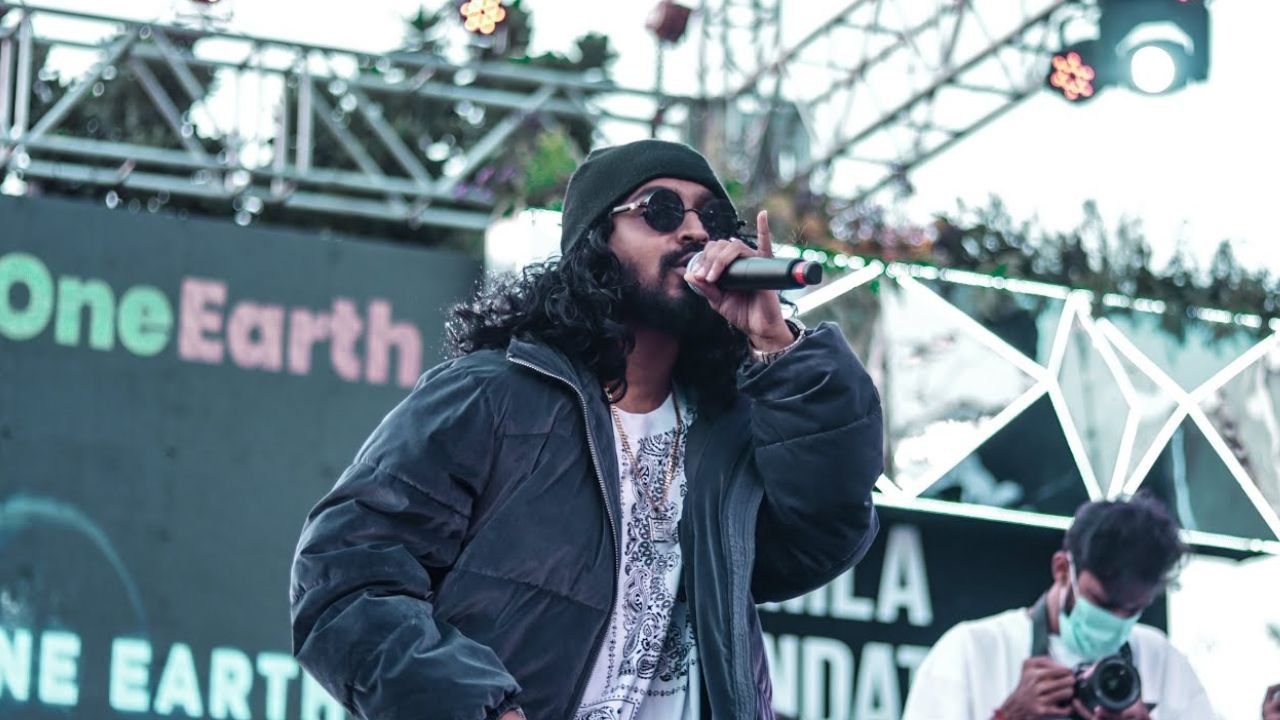
In today’s music industry, success is often reduced to numbers monthly listeners, playlist placements, and viral spikes. By those standards, artists are constantly ranked, compared, and judged. Yet when Emiway Bantai steps on stage, those numbers suddenly feel irrelevant. His shows are loud, emotional, chaotic, and deeply participatory. Crowds don’t just listen to Emiway they become part of the performance.
This raises an important question in Indian hip‑hop today: why does Emiway Bantai feel bigger, stronger, and more impactful in live spaces than on streaming platforms?
What People Assume vs What’s Real
The common assumption is simple higher streaming numbers equal a stronger fanbase. If an artist isn’t dominating charts or playlists, the belief is that their relevance is slipping. But Emiway’s career challenges that logic.
On streaming apps, Emiway competes in a crowded ecosystem shaped by algorithms, editorial decisions, and listener habits that favour background consumption. Live, however, there is no algorithm. There is no skipping. There is only presence. And in that environment, Emiway consistently wins.
The reality is this: streaming measures reach, not depth. Emiway’s strength lies not in how many people casually hear his music, but in how intensely his audience connects with it.
The Ground‑Level Truth of Emiway’s Connection
Emiway Bantai didn’t build his career in boardrooms or studio corridors. He built it online, independently, and in direct conversation with listeners. Long before live shows became brand‑driven spectacles, his relationship with fans was already personal.
That intimacy carries over to the stage. Emiway doesn’t perform at his audience he performs with them. His sets are built around call‑and‑response hooks, aggressive chants, and pauses that invite the crowd to take over. When thousands of voices rap his lyrics back to him, the line between artist and audience dissolves.
Language plays a crucial role here. His mix of Hindi, English, and Mumbai street slang lands hardest in live environments. These aren’t lyrics meant to sit quietly in headphones. They are meant to be shouted, felt, and shared. Live, his music regains the raw, cypher‑like energy that hip‑hop was born from.
Why Live Emiway Feels More “Real” Than Streamed Emiway
Streaming flattens emotion. It smooths rough edges and turns music into content that exists alongside scrolling, multitasking, and distraction. Emiway’s art resists that passivity.
On stage, his imperfections become strengths. Breathlessness, sweat, crowd noise, missed beats these human moments reinforce authenticity. Fans don’t expect polish; they expect effort, honesty, and intensity. Emiway delivers all three.
There’s also no manufactured distance. No elaborate choreography. No scripted banter. Emiway reacts in real time feeding off crowd energy, adjusting pacing, and letting the room shape the performance. That unpredictability keeps audiences locked in.
Why This Matters: Culture, Money, and Survival
Emiway’s live dominance reveals something bigger about Indian hip‑hop culture. The scene was never built on streaming numbers alone. It was built on battles, open mics, college shows, and ground‑level loyalty.
From a financial perspective, this matters too. Streaming payouts are inconsistent and often unsustainable for independent artists. Live shows, however, offer tangible value ticket sales, merch, brand trust, and cultural capital. Emiway’s ability to pull crowds proves that independence doesn’t mean instability.
Culturally, his success pushes back against the idea that artists must chase algorithms to survive. He represents a model where community outweighs convenience, and where music is experienced collectively rather than consumed privately.
Streaming vs Stage: Two Very Different Relationships
Streaming listeners can disappear overnight. A playlist change, an algorithm shift, or a trend cycle can drastically alter visibility. Live audiences, on the other hand, show commitment. They spend time, money, and energy to be present.
Emiway’s audience didn’t arrive through editorial validation. They arrived through identification. They see their own ambition, frustration, and hunger reflected in his journey. Attending his shows becomes an act of alignment, not just entertainment.
That’s why his live connection feels stronger than his streaming footprint. One builds awareness. The other builds belief.
What Comes Next: The Bigger Lesson for Indian Artists
As Indian hip‑hop continues to grow digitally, Emiway’s career offers a clear lesson: numbers don’t equal loyalty. Artists who focus only on streams risk building visibility without community.
The future belongs to those who can balance both but never forget that stages create culture faster than playlists do. Emiway’s success suggests that live connection will remain a crucial marker of longevity, especially for independent artists.
His model isn’t about rejecting streaming. It’s about refusing to let it define worth.
Reader Question
In an industry obsessed with metrics, Emiway Bantai proves that real connection still happens face to face.
So what matters more to you as a listener streaming numbers or live energy?
Drop your thoughts in the comments.
Read More About: How Emiway Bantai Built an Audience Without a Label


Leave a Comment