Shah Rukh Khan’s King and Sanjay Leela Bhansali’s Love and War to Follow Two‑Part Release Strategy
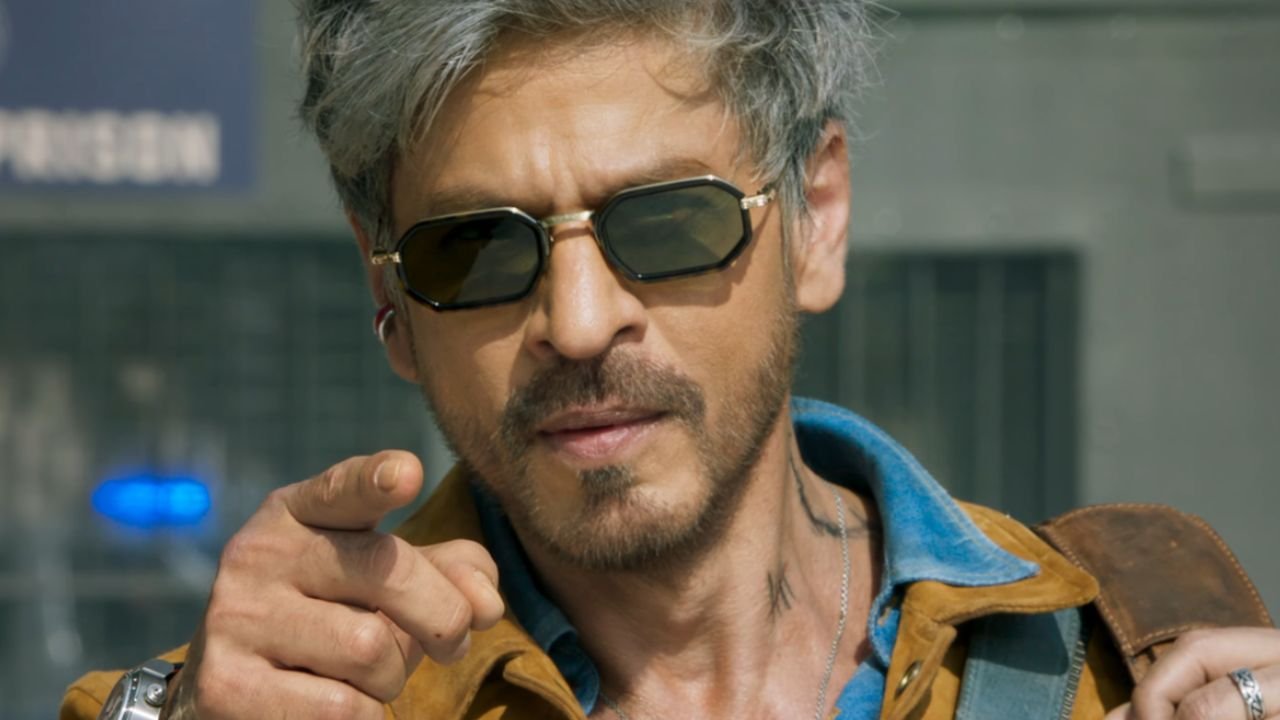
A new release strategy is quietly taking shape in Bollywood, and it could redefine how big‑budget films reach audiences. Following the attention generated by Dhurandhar, upcoming projects like King, starring Shah Rukh Khan, and Love and War, directed by Sanjay Leela Bhansali, are reportedly set to adopt a two‑part release model.
This approach, already tested with Dhurandhar starring Ranveer Singh, reflects a growing confidence in long‑form theatrical storytelling and audience patience for expansive narratives.
Instead of condensing complex stories into a single runtime, filmmakers are increasingly choosing to split narratives into two parts. The aim is to allow deeper character arcs, higher emotional payoff, and more detailed world‑building something that single‑film formats often struggle to deliver at scale.
For Shah Rukh Khan’s King, expectations are already high following his recent box‑office momentum. A two‑part structure suggests that the film’s story is designed to unfold gradually, with the first installment establishing characters and conflict, and the second delivering resolution and spectacle. For a star of Khan’s stature, this strategy also signals confidence in sustained audience engagement rather than short‑term box‑office bursts.
Sanjay Leela Bhansali’s Love and War is also seen as a natural fit for this format. Known for his grand visual language, layered emotions, and operatic storytelling, Bhansali has often worked within dense narrative spaces. A two‑part release offers him the room to fully explore themes, relationships, and dramatic scale without compromise.
The success of Dhurandhar played a key role in encouraging this shift. Its two‑part strategy helped maintain audience interest over a longer period while allowing the story to breathe. Trade analysts note that such releases also help films stay relevant in public discourse for extended durations, instead of fading quickly after opening weekend.
From a business perspective, the model spreads financial risk while potentially doubling theatrical revenue if both parts perform well. It also strengthens brand recall, as audiences return for the continuation of a story they are already invested in.
As Bollywood navigates changing viewing habits and rising production costs, this strategy reflects an industry willing to experiment with form and release patterns. While not every film may suit a two‑part format, large‑scale stories driven by star power and strong narratives seem well‑positioned to benefit from it.
If King and Love and War succeed with this approach, it could mark the beginning of a new phase in mainstream Hindi cinema one where patience, scale, and storytelling ambition take priority over compressed spectacle.
Read More About: Anup Jalota on Bhakti, Discipline and Music | Guftagu with Kunickaa Sadanand

Leave a Comment