Dharavi’s Finest 7Bantai’Z Take Over Tu Yaa Main When Indian Hip‑Hop Becomes the Film’s Pulse
Intro – Defining the Story, Not the Hype
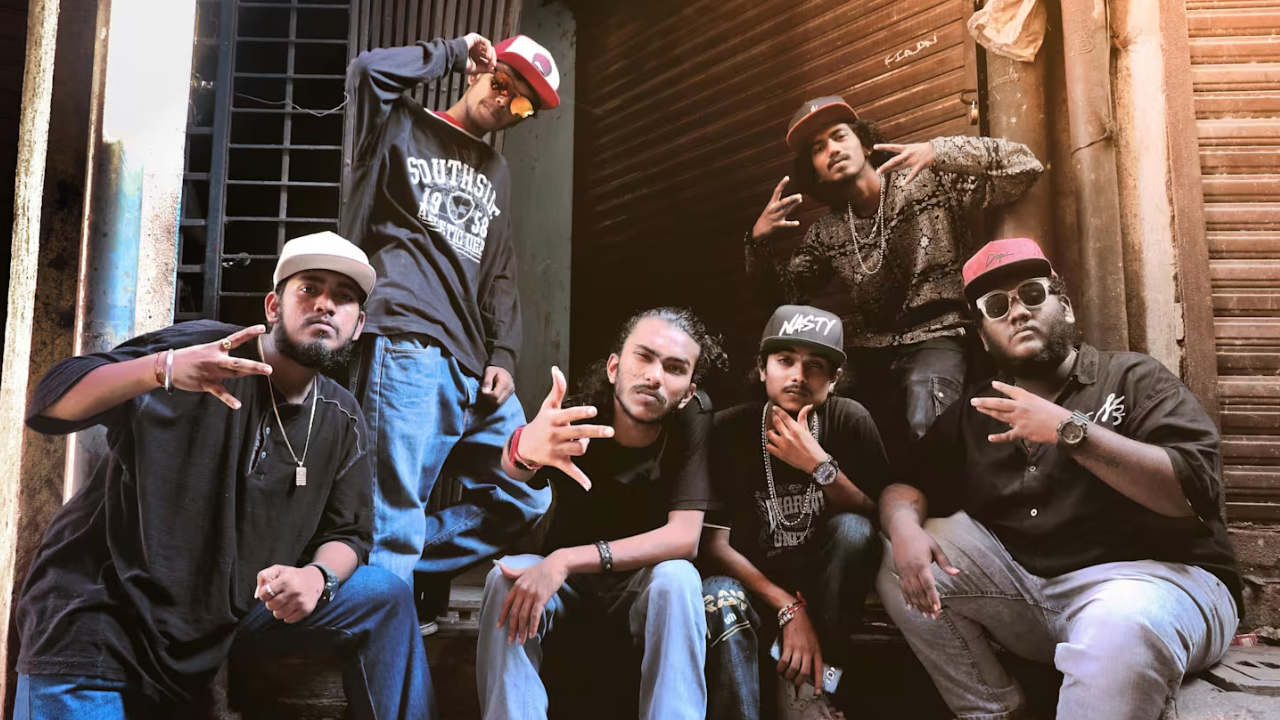
Indian hip‑hop has entered a phase where it’s no longer background texture in cinema it’s becoming narrative muscle. The teaser of Tu Yaa Main makes that shift clear. Instead of leaning on a conventional Bollywood soundtrack, the film foregrounds the sound of the streets, placing 7Bantai’Z at the centre of its sonic identity.
This isn’t a cameo or a playlist placement. It’s Dharavi’s raw rap energy shaping the mood, tension, and movement of a mainstream thriller set for a Valentine’s Day 2026 release.
Reality Check – What People Assume vs What’s Actually Happening
The assumption is that hip‑hop in films still functions as flavour used for youth appeal, promotional buzz, or a single “cool” track. The reality with Tu Yaa Main is different.
Here, the music isn’t decorative. It’s structural. The presence of 7Bantai’Z doesn’t soften itself to fit cinema; cinema bends to accommodate their grit. This marks a departure from Bollywood’s long‑standing habit of sanitising street music for mass comfort.
What’s happening instead is a cultural handover where authenticity is trusted, not diluted.
Artist / Scene Insight – Why 7Bantai’Z Matter
Emerging from Dharavi, 7Bantai’Z represent one of Mumbai’s most uncompromising hip‑hop collectives. The crew Crackpot, Mr. Scam, Yoku B.I.G., Sid J, Bonz N Ribz, and Lil’ Arthur built their reputation through multilingual bars, drill‑heavy beats, and unfiltered street commentary.
Tracks like Bachan and Meter Down (featuring Kaam Bhaari) positioned them as voices of lived experience rather than industry‑engineered acts. Their sound carries tension, swagger, and a refusal to explain itself qualities that translate powerfully into the world of Tu Yaa Main.
Their inclusion signals intent: this film wants the street, not an imitation of it.
View this post on Instagram
The Soundtrack – When the Track Becomes a Character
The teaser introduces a signature 7Bantai’Z track that drives the film’s tempo. Sonically, it blends Mumbai street rap with modern, aggressive production no melodic cushioning, no dance‑floor compromises.
Lines like “सब काम बचता है बोलो कौन है बोले तो साथ” land with authority, reinforcing themes of dominance, identity, and collective strength. The music doesn’t pause for choreography. It moves like the city—fast, tense, unapologetic.
Unlike traditional Bollywood numbers, this track feels embedded in the story’s bloodstream, not pasted on top of it.
The ‘Collab’ Narrative – Art, Pressure, and the Digital Age
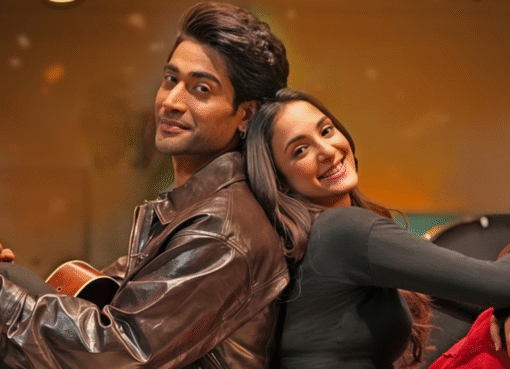
The teaser’s dialogue between lead characters Shanaya K and Adarsh G around a “collaboration” isn’t accidental. Tu Yaa Main directly engages with the modern creative economy where pressure to perform, stay relevant, and monetise creativity defines artistic relationships.
By using a real‑world rap crew instead of fictionalising the scene, the film blurs boundaries between soundtrack and reality. 7Bantai’Z don’t just represent street culture they are it. This grounding gives weight to the film’s exploration of creativity under surveillance, algorithms, and expectation.
Why This Matters – Culture, Credibility, and Cinema
Culture:
Dharavi’s hip‑hop scene has long influenced Indian rap from the margins. Bringing it to the centre without dilution is a cultural correction, not a crossover.
Credibility:
For Indian hip‑hop, this collaboration validates years of independent grind. It shows that authenticity can survive scale.
Cinema:
Under Bejoy Nambiar’s direction and production backing from Aanand L Rai, Tu Yaa Main positions music as narrative infrastructure. That choice could influence how future thrillers and urban films approach sound.
What Comes Next – A Blueprint for Music‑First Films
If Tu Yaa Main succeeds, it may set a precedent: films where music isn’t marketed separately from story, and where hip‑hop artists aren’t guests but collaborators.
For 7Bantai’Z, this isn’t a moment it’s amplification. For Indian cinema, it’s a reminder that the streets don’t need translation. They need space.
Reader Question – Let’s Open It Up
Should more Indian films allow real hip‑hop collectives to shape their sound and narrative from the ground up?
Tell us what this shift means for both cinema and the Indian rap scene.
Read More about: Reble, Tsumyoki, and Shashwat Sachdev Supercharge Dhurandhar Trailer With a Hard-Hitting Rap and Score
Leave a Comment