A. R. Rahman, Sukhwinder Singh, and the Song That Became the Unofficial National Anthem of Indian Railways

Every once in a while, Indian cinema gives us a song that doesn’t just become popular but becomes a pulse. “Chaiyya Chaiyya,” from Mani Ratnam’s 1998 film Dil Se.., is one of those rare creations that feel bigger than the film itself. At the heart of it all are two creative forces whose collaboration turned a track into a cultural milestone: composer A. R. Rahman and vocalist Sukhwinder Singh.
Rahman was already rewriting the rules of Bollywood soundtracks by the late 90s, but Dil Se.. marked a moment where his experimentation went from admired to iconic. “Chaiyya Chaiyya” is a perfect example of this shift. The track merges Sufi-folk roots with a propulsive, modern rhythm that was unheard of at the time. Rather than treating folk as something old-fashioned, Rahman made it feel urgent, global and addictive. The percussion is driving, the harmonium lines feel alive and the layered backing vocals create a sense of something ancient running alongside something wildly contemporary.
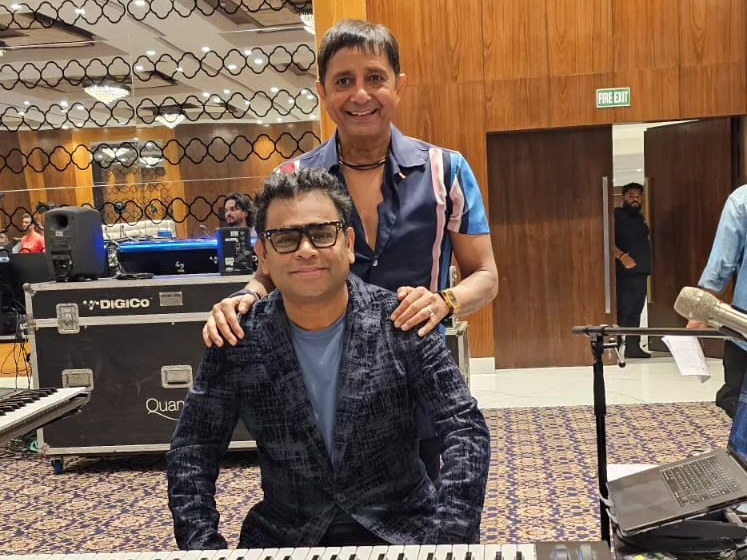
But even with Rahman’s genius at the helm, the song needed a voice powerful enough to carry that fire. That’s where Sukhwinder Singh came in. His vocals didn’t just match the energy, they defined it. The very first line lands with a kind of spiritual force, and his tone brings a raw, ecstatic devotion that elevates Gulzar’s poetry. The magic lies in the way Sukhwinder balances intensity and joy, letting the song feel like a celebration of movement, love, freedom and something almost divine.
It’s hard to overstate what his voice did for this track. Before “Chaiyya Chaiyya,” Sukhwinder was respected but not yet a household name. After it, he became the voice people associated with power, passion and high-voltage performance. It opened the door to collaborations that shaped his career and made him one of Bollywood’s most unforgettable singers.
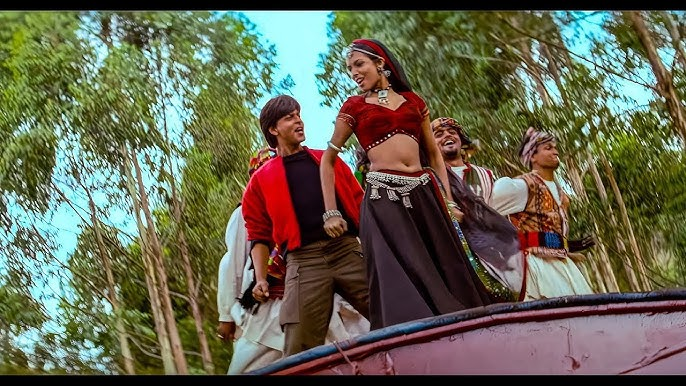
The song’s visual legacy only strengthened its status. Shah Rukh Khan and Malaika Arora dancing atop a moving train became one of the most daring, instantly recognisable sequences in Bollywood history. But that visual spectacle works because Rahman and Sukhwinder create a world where danger, desire and joy coexist. The music gives the scene its heartbeat.
And then there’s Gulzar. His writing adds a poetic layer that could easily have been overshadowed by the visuals, but Sukhwinder’s delivery ensures every line lands. The metaphors of love, movement and longing blend seamlessly with Rahman’s rhythmic landscape, turning the song into an anthem that feels spiritual without being literal.
Twenty-six years later, the impact remains unchanged. “Chaiyya Chaiyya” is still played at concerts, festivals, weddings, sporting events and global stages. Artists continue to sample it, choreographers still reference it and younger listeners discover it like it’s brand new.
In a catalog filled with masterpieces, this track stands tall because it captures the best of both artists. Rahman’s fearless compositions. Sukhwinder’s unmatched vocal fire. Together, they created a song that didn’t just entertain, it transformed Bollywood’s relationship with sound, rhythm and scale.
“Chaiyya Chaiyya” wasn’t just a hit. It became a moment in Indian music history, carried on the shoulders of two artists at the peak of their creative instinct.
Read More About: A.R. Rahman’s Soundscape in Tere Ishk Mein: When Music Becomes the Story Itself

Leave a Comment