A Song for the Aravalli: When Music Becomes a Voice of Resistance
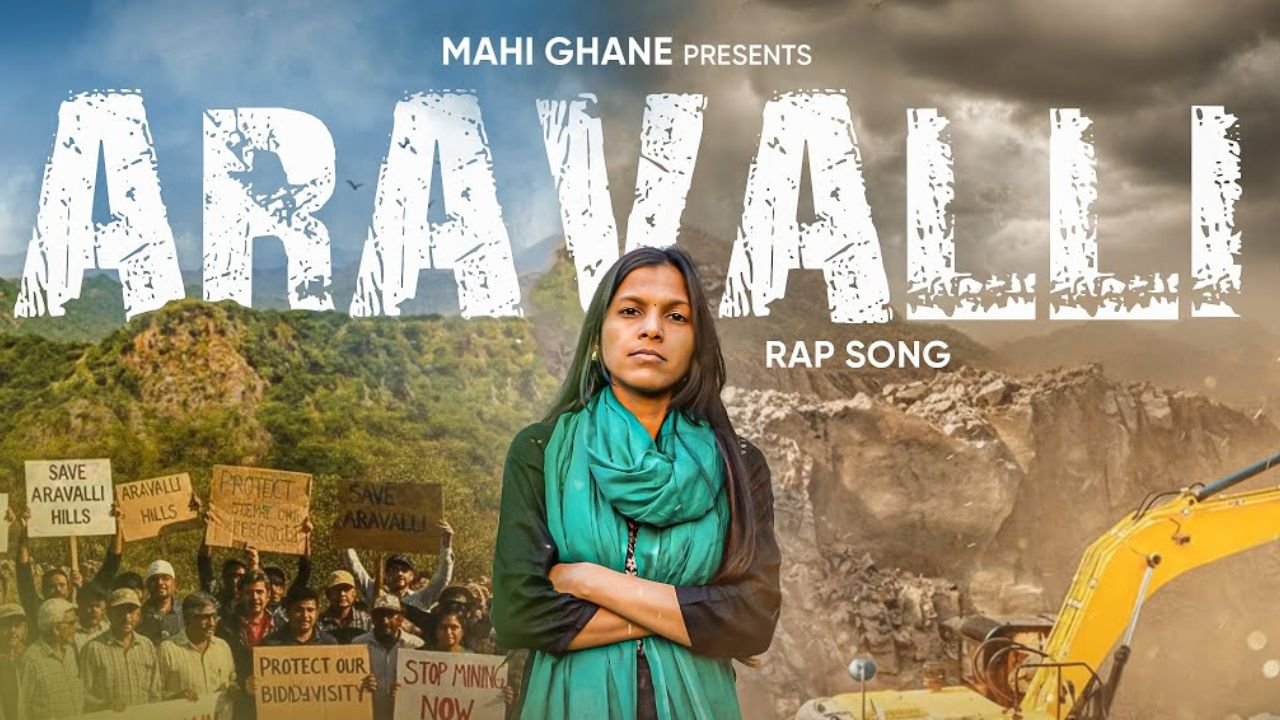
Across India, a pattern is becoming impossible to ignore. From Hasdeo to Uttarakhand, Great Nicobar to the Aravalli range, forests and fragile ecosystems are being redefined not as living systems, but as land banks. Decisions taken in the name of development are increasingly driven by profit, while the voices of local communities and ecological warnings are pushed aside. Against this backdrop, this new song arrives not as entertainment, but as intervention.
The track draws directly from what the country is witnessing in real time. Forests cleared. Hills flattened. Water systems disrupted. Communities unheard. The Aravalli, one of the oldest mountain ranges in the world, becomes the emotional and symbolic centre of the song but its message stretches far beyond one geography. The Aravalli is not just terrain. It is water security, climate balance, biodiversity and survival.
What the song does powerfully is reject the language of “inevitable progress.” Instead, it questions who benefits from these decisions and who bears the cost. By framing environmental destruction as a consequence of concentrated power governmental, corporate and institutional the track places responsibility where it belongs. This is not abstract activism. It is lived reality set to sound.
Musically, the track avoids grandiosity. Its strength lies in restraint. The tone is urgent but grounded, carrying the weight of testimony rather than performance. The vocals feel closer to a statement than a hook, allowing the message to lead. This approach mirrors the intent: to be heard, not consumed casually.
In a time when protest is often reduced to hashtags, this song insists on something deeper engagement. It doesn’t ask listeners to agree blindly; it asks them to listen, share and question. That invitation matters. Music has always played a role in shaping collective consciousness, and here it functions as documentation as much as expression.
What makes this release especially significant is its timing. Environmental concerns are no longer distant futures they are present crises. Heatwaves, water shortages and ecological collapse are already affecting daily life. By connecting these realities to specific regions like the Aravalli, the song refuses abstraction. It demands accountability.
This is not “anti‑development.” It is a challenge to a version of development that excludes ecology and erases communities. The song reminds us that forests are not empty spaces waiting to be used they are systems that sustain life.
As independent music increasingly becomes a space for truth‑telling, tracks like this reaffirm why it matters. Not every song needs to comfort. Some songs need to confront.
This one does exactly that.
Read More About: Femme Music: India’s First Label Dedicated to Female Singers



Leave a Comment