Boitha Maro by Papon: The Assamese Folk Fusion That Transformed Coke Studio

When Papon brought Boitha Maro to Coke Studio in Season 3, he wasn’t just performing another folk tune. He was opening a cultural doorway for the rest of India to finally look toward the Northeast and feel its musical pulse. Originally released in his 2012 album The Story So Far, the track had already carried the quiet charm of Assamese folk, but Coke Studio turned it into something bigger, bolder and unforgettable.
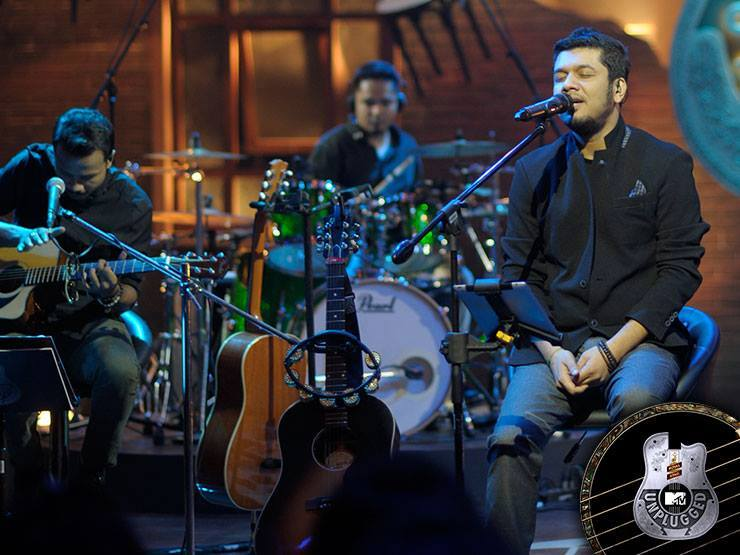
Boitha Maro translates to Row the boat and the song captures the rhythm of movement and life in Assam. It begins with a calm, earthy melody that reflects the lull of a boat gliding over river water. The simplicity is almost hypnotic, grounding listeners in the kind of peaceful, traditional soundscapes that define Assamese folk. But this calm doesn’t last long. What follows is a powerful surge of energy where Papon blends folk roots with fusion elements that lift the entire track into a different universe. The arrangement builds and builds until it feels like the song is rushing forward with the force of a river in full flow.
Listeners often compare its vibrant arrangement to the iconic style of R D Burman. There’s a similar excitement in the percussion, the same infectious drive in the melody and a playful mix of old world rhythm with new world pulse. It is folk that doesn’t sit quietly in the corner. It is folk that stands up, walks to the center and demands to be felt.
What made Boitha Maro special on the Coke Studio stage was not just the sound but the moment in which it arrived. It came at a time when independent music was beginning to expand beyond metro cities and when audiences were getting curious about sounds they had never heard before. For the first time, many listeners discovered the warmth of Assamese taal, the richness of folk storytelling and the kind of emotional depth that defines music from the Northeast. Papon’s presence as a cultural bridge helped make that discovery easy. His voice carried not just notes but a lived experience, a deep sense of belonging and a respect for the traditions he grew up with.
The Coke Studio performance turned the track into a cultural milestone. It introduced Northeast Indian music to millions who had never experienced it in such an accessible, contemporary format. It demonstrated that folk fusion could be adventurous without losing its soul. It also showed that India’s musical heritage is not limited to Bollywood or classical forms but exists in countless regional traditions waiting to be celebrated on national stages.
Boitha Maro still stands as one of the most memorable and impactful songs ever featured on the show. It remains a reminder of how music can carry history, geography and identity, all within a few minutes of melody and rhythm. And more importantly, it marks the moment when a regional sound became a national anthem of pride for the Northeast, inspiring listeners and young musicians to look back at their roots with new confidence.
Read More About: The Legacy of “Hey Bhagwan” and How Raghu Dixit Sparked a New Indie Revolution
2 thoughts on “Boitha Maro by Papon: The Assamese Folk Fusion That Transformed Coke Studio”
- Pingback: Anandi Aheeri and Sahil Bring Hidden Brilliance to a Classic Sonu Nigam Duet
- Pingback: Abhijay Sharma’s I-Popstar Journey Ends, But His Real Rise Begins - Sound of The Streets India


Leave a Comment