Dhanak and Its Timeless Musical Moments: When Sufi Music Becomes Emotional Truth
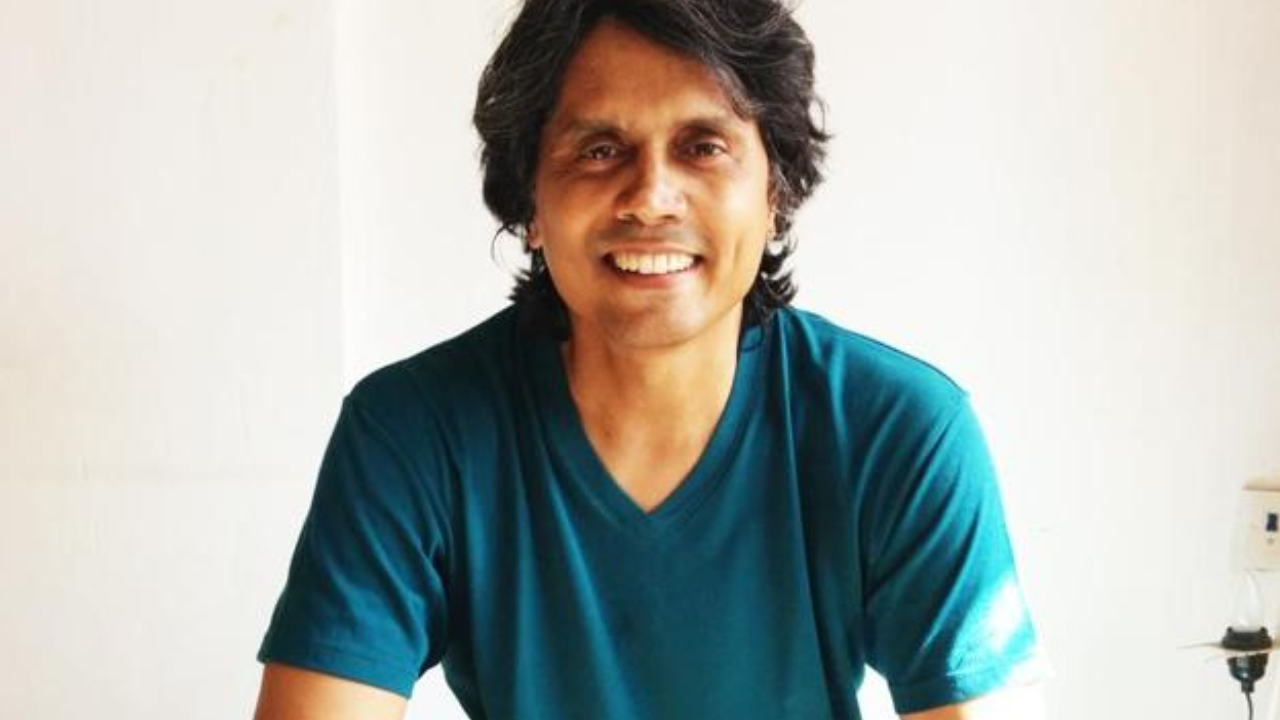
Even years after its release, Dhanak continues to resonate as a film that understands music not as ornamentation, but as emotional truth. Director Nagesh Kukunoor doesn’t use songs to underline feelings or heighten drama; instead, music in Dhanak arrives quietly, almost humbly, allowing emotion to surface on its own terms. Rooted in Sufi tradition, the film’s musical moments feel spiritual, human, and remarkably fresh because they trust simplicity over spectacle.
At the heart of Dhanak lies its road‑journey structure, where movement is balanced by moments of stillness. Music becomes the connective tissue between faith, hope and survival, guiding the siblings’ journey across Rajasthan. Two Sufi pieces in particular Dum‑A‑Dum Mast Qalandar and Chaar Charag define the film’s emotional rhythm, not through grandeur, but through intention.
Dum‑A‑Dum Mast Qalandar arrives with movement and collective energy. Deeply rooted in South Asian Sufi culture, the song carries centuries of devotion, joy and rebellion. In Dhanak, it becomes a moment of shared faith and forward momentum, echoing the idea that belief can be celebratory, loud and communal. It pushes the film onward, infusing the journey with hope and resilience.
But it is the “Chaar Charag” moment that truly stops time.
The scene unfolds without cinematic buildup. No swelling score. No dramatic framing. A blind child begins to sing a Sufi kalam about light, devotion and inner vision. The contrast is immediate and devastating in its quiet power a child who cannot see, singing about illumination. The moment doesn’t announce itself as important. It simply exists.
What makes this scene so goosebump‑inducing is its restraint. The voice is innocent, untrained, untouched by performance instinct. It doesn’t aim to impress. It aims to feel. The song becomes a pause in the road journey a breath where the film allows silence, space and sincerity to take over. In that stillness, emotion lands deeper than any dramatic crescendo ever could.
Years later, the scene still feels fresh because it refuses manipulation. Its power comes from contrast: darkness and light, childhood and centuries‑old poetry, silence and song. The Sufi verse becomes an inner vision rather than a lyrical statement, reminding us that faith often lives in quiet moments, not declarations.
Together, Chaar Charag and Dum‑A‑Dum Mast Qalandar reveal Dhanak’s deeper musical philosophy. Sufi music is not decoration it is storytelling. One song brings introspection and stillness; the other brings motion and collective joy. Between them, the film finds balance: belief and celebration, inward reflection and outward hope.
That balance is why Dhanak continues to connect with new viewers today. The film never tells you what to feel. It trusts silence. It trusts tradition. And it trusts simple voices to carry timeless emotion.
In doing so, Dhanak proves that when music is treated as emotional truth rather than cinematic device, moments like Chaar Charag don’t fade. They linger quietly, honestly, long after the film ends.
Read More About: Ricky Kej and Lonnie Park Bring Global Artists Together for Holiday Anthem ‘Shine Your Light’


Leave a Comment