From Meme Lord to Platinum Artist: How Arpit Bala Reinvented Himself Through Hip-Hop
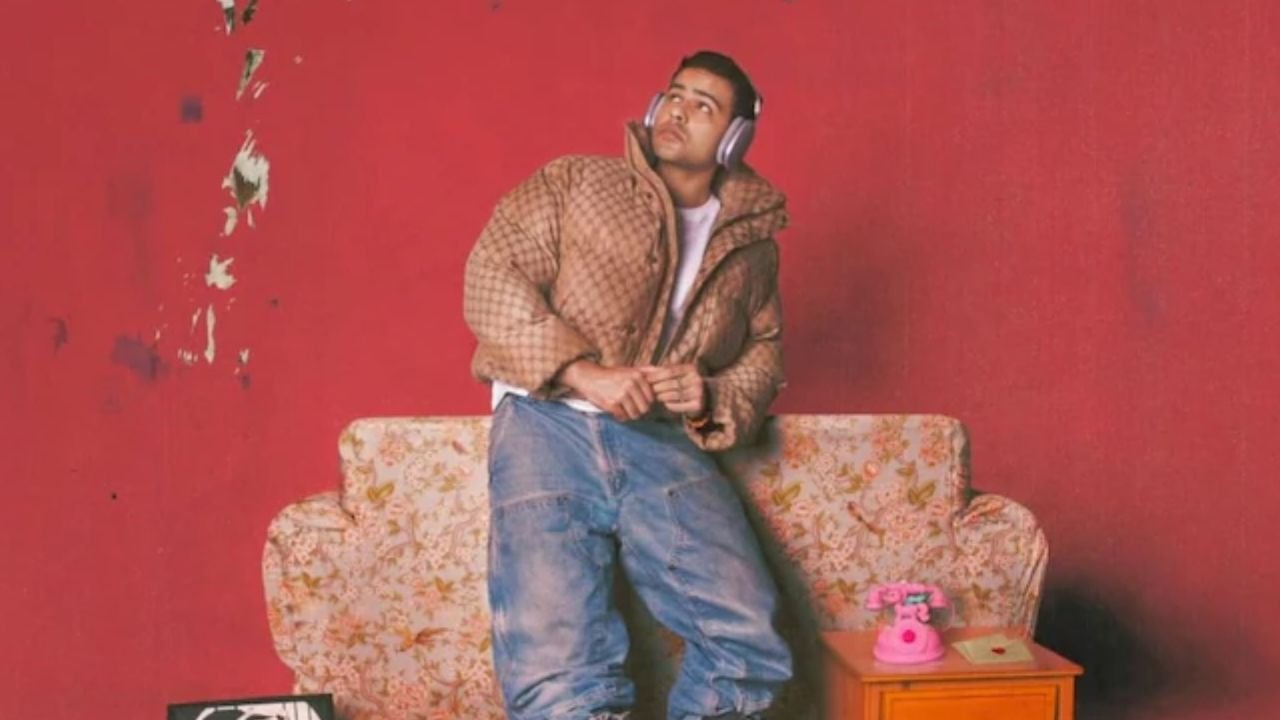
Arpit Bala Music Journey: From Internet Comedy to Platinum Hip-Hop Success
For years, Arpit Bala was known as one of India’s most chaotic and unfiltered digital comedians. Today, he stands as a platinum-certified hip-hop artist, marking one of the most unexpected and compelling transitions in India’s creator economy.
His evolution is not just about switching mediums it is about rebuilding identity, earning credibility, and choosing depth over virality.
Key Answer: How Did Arpit Bala Transition from Comedy to Serious Music?
Arpit Bala made a conscious shift from comedy to music by restructuring his public image, focusing on long-term artistic output, and committing to a disciplined creative process that resulted in projects like Keechane Lalu.
Key Turning Points
- Rebranding away from “unhinged” comedy
- Reducing short-form content output
- Investing time in long-form music projects
- Letting quality override perception
The Burden of the “Funny Man” Persona
Arpit Bala’s early internet fame came from:
- chaotic humor
- exaggerated expressions
- “degenerate” online personality
But over time, this became limiting.
Instead of engaging with his ideas, audiences began to:
- treat him as the joke
- focus on reactions rather than content
- dismiss him as unserious
This created a core challenge:
how do you make people take you seriously after they’ve only seen you as entertainment?
The Strategic Shift: Rebuilding Perception
The move into music was not accidental it was calculated.
Arpit consciously:
- cleaned up his social media presence
- reduced low-effort, high-frequency content
- shifted focus toward intentional output
He recognized a key flaw in the creator economy:
constant content leads to speed, not quality
Short-Term Content vs Long-Term Art
Arpit describes the content grind as:
- repetitive
- creatively draining
- leading to “unfinished” or “garbage” output
Music, in contrast, offered:
- time to refine ideas
- deeper audience connection
- repeat value across performances
This shift marked a move from visibility to value.
The Making of Keechane Lalu
His project Keechane Lalu (often referred to as “Kitchen Lalu”) became the centerpiece of this transformation.
A Two-Year Process
- long rollout strategy
- intensive writing sessions (5–6 hours daily)
- highly deliberate sonic identity
Arpit describes his writing process as:
- mechanical
- mentally exhausting
- similar to solving something without clear direction
Yet, this discipline became the backbone of the project’s success.
Redefining Success: The “Platinum” Benchmark
In today’s streaming economy, 100 million streams is widely considered the benchmark for a platinum record.
Arpit reached this milestone but not without skepticism.
- audiences expected failure
- critics were ready to dismiss the project
Instead, the response flipped:
people who doubted him acknowledged the quality
A common sentiment emerged:
- his comedy may divide opinions
- but his music demands respect
The Virality of “Bargad”
One of the biggest surprises in Arpit’s journey was the success of “Bargad”.
Despite coming from an alternative background, the track:
- gained massive traction on Reels
- crossed into mainstream listening
- expanded his audience beyond niche listeners
A Calculated Creative Decision
Interestingly, Arpit avoided releasing:
- aggressive rap-heavy tracks
- technically dense verses
For nearly two years.
This was intentional.
He wanted listeners to first connect with:
- the soundscape
- the mood
- the world of the album
Long-Term Vision vs Content Culture
At 26, Arpit Bala is actively stepping away from:
- the “always online” creator model
- algorithm-driven content cycles
His focus is now on:
- fewer, higher-quality releases
- projects with longevity
- building a sustainable artistic identity
Why Music Feels More “Real”
For Arpit:
- a joke is consumed once
- a song lives across cities, stages, and memories
This difference defines his shift.
Music offers:
- repetition
- emotional depth
- long-term engagement
Why This Matters for Indian Hip-Hop
Arpit Bala’s journey reflects a larger movement in Indian music:
- creators becoming serious artists
- audiences becoming more open to reinvention
- hip-hop embracing unconventional voices
It also challenges a key assumption:
internet fame does not automatically translate to artistic credibility it must be earned again.
Final Word: From Persona to Craft
Arpit Bala’s story is not just a transition it is a reconstruction.
He hasn’t abandoned comedy, but he has:
- separated it from his music
- redefined how he wants to be perceived
- committed to being taken seriously as an artist
In doing so, he represents a new kind of creator:
one who is willing to risk relevance in order to build legacy
FAQs
Who is Arpit Bala?
Arpit Bala is an Indian content creator and hip-hop artist known for transitioning from comedy to music.
What is Keechane Lalu?
It is Arpit Bala’s music project developed over two years, marking his shift into serious hip-hop.
What is the meaning of “platinum” in music?
It typically refers to achieving around 100 million streams in the current digital ecosystem.
Which song by Arpit Bala went viral?
“Bargad” gained significant traction, especially on social media platforms.
Why did Arpit Bala leave content creation?
He wanted to focus on long-term, high-quality artistic output instead of short-form content cycles.
Is Arpit Bala still doing comedy?
Yes, but he now treats comedy and music as separate creative spaces.
Read More About: Inside Vishal Dadlani’s “Trial Show”: The Anti-Reality Platform Bringing Original Music Back to Life


Leave a Comment