How ‘Ramta Jogi’ Was Really Born: Sukhwinder Singh on the Raw Moment A.R. Rahman Chose to Keep
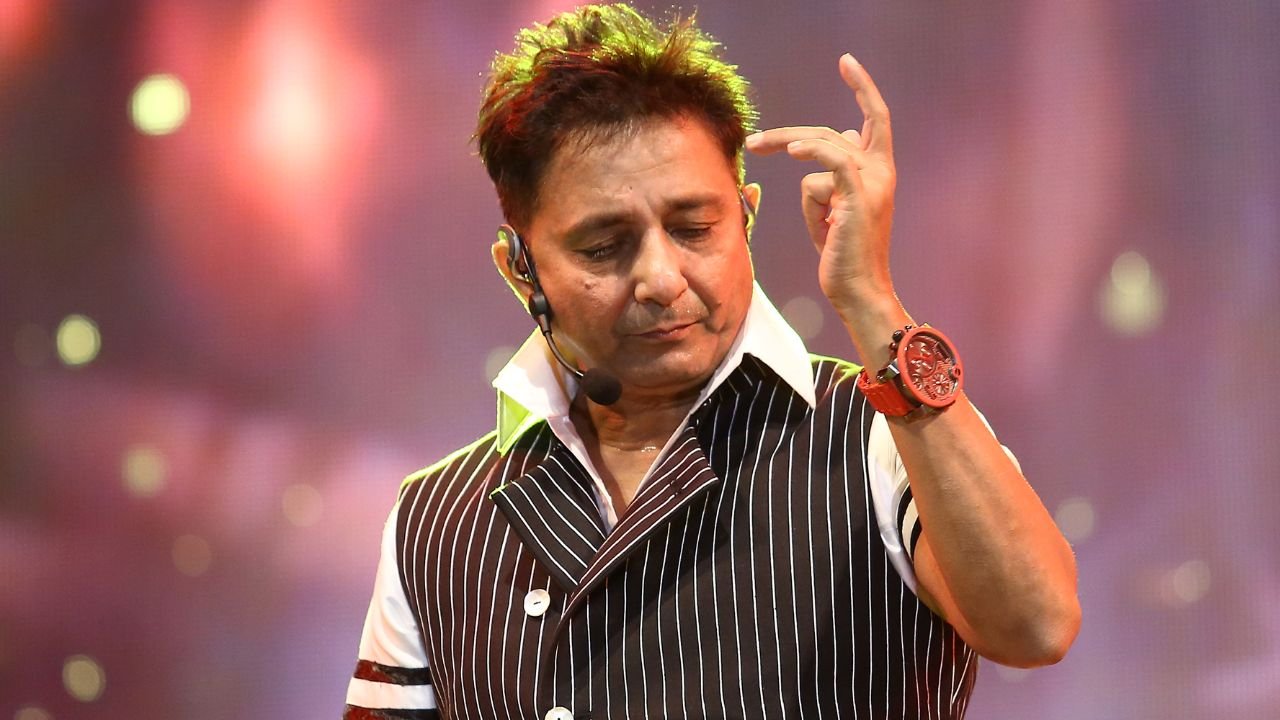
Some songs don’t feel recorded they feel captured. More than two decades after its release, ‘Ramta Jogi’ from Taal still carries that rare sense of immediacy, energy and abandon. According to Sukhwinder Singh, the man behind the voice, that wasn’t accidental. It was the result of A.R. Rahman trusting instinct over perfection.
Speaking about the making of Ramta Jogi, Sukhwinder Singh reveals that the version audiences know and love wasn’t built through repeated polishing or calculated takes. Instead, Rahman recognised something raw and unfiltered in the very first performance. “He captured the best thing I sang naturally,” Sukhwinder recalls, highlighting a creative philosophy that prioritises emotion over control.
At the time of Taal, Indian film music was evolving rapidly, blending classical influences with global soundscapes. Ramta Jogi stood out immediately not because it was loud, but because it felt alive. Rooted in folk spirit and spiritual restlessness, the song demanded surrender rather than technique. That’s exactly what Rahman allowed.
Sukhwinder describes walking into the studio without the pressure of “getting it right.” There was no attempt to overthink phrasing or refine edges. Instead, the focus was on letting the song breathe. The grit, the push, the slight unpredictability in the vocal delivery all of it stayed. Rahman didn’t correct it. He preserved it.
That decision would go on to define the song’s legacy.
Ramta Jogi works because it sounds like movement. It feels like a journey rather than a composition. The vocals don’t sit neatly inside the arrangement they roam, collide and rise. Sukhwinder’s voice becomes the song’s emotional compass, echoing themes of longing, freedom and devotion without spelling them out.
This approach reflects a larger truth about A.R. Rahman’s creative process. He has always been less interested in “perfect singing” and more invested in truthful performance. Many of his most iconic tracks succeed because they leave room for humanity breath, strain, urgency and instinct.
For Sukhwinder Singh, Ramta Jogi wasn’t just another playback assignment. It became a defining moment, cementing his identity as a voice capable of carrying raw emotion without dilution. The song’s endurance across generations proves that listeners instinctively recognise honesty when they hear it.
In an era where technology allows endless correction, Ramta Jogi remains a reminder of why restraint matters. It’s not a song polished into submission. It’s a moment Rahman chose not to interfere with.
And that choice to trust the first instinct is why Ramta Jogi still feels untamed, spiritual and alive today.
Read More About: A. R. Rahman, Sukhwinder Singh, and the Song That Became the Unofficial National Anthem of Indian Railways

Leave a Comment