Independent Music in India: How the Scene Is Growing Beyond Bollywood
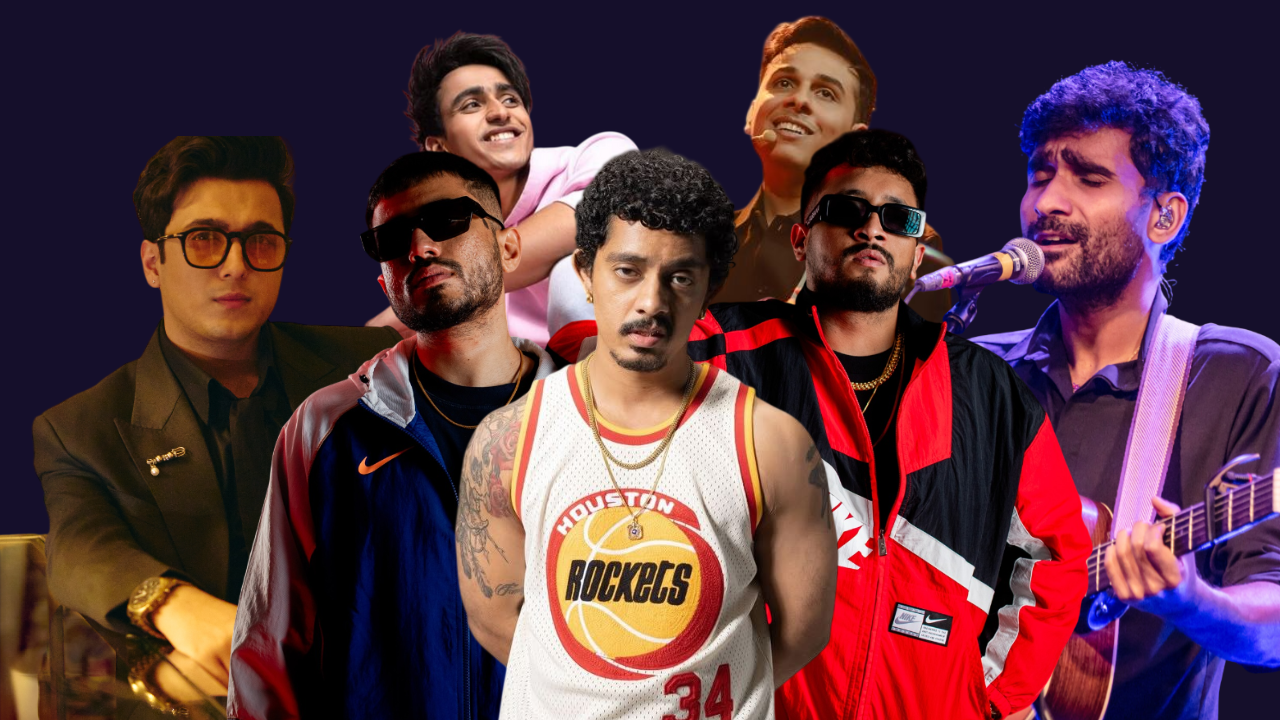
Intro: Why Independent Music in India Matters Today
Independent music India is no longer a side conversation it’s the main story unfolding quietly alongside Bollywood. Over the last decade, Indian listeners have started looking beyond film soundtracks for music that feels personal, local, and honest. From home‑grown hip hop to bedroom pop and regional indie scenes, independent music has become a space where artists speak directly to listeners, without scripts or star systems.
This shift isn’t sudden. It’s the result of changing audience behaviour, easier access to tools, and a growing fatigue with formula‑driven film music. Independent music in India now represents freedom creative, cultural, and emotional.
Reality Check: What People Assume vs What’s Actually Happening
The common assumption is that independent music in India is still “small” or niche. That it survives only on the internet and doesn’t translate into real careers. The ground reality tells a different story.
While Bollywood music still dominates mass reach, indie artists are building slower but stronger connections. They may not have blockbuster numbers, but they have loyal audiences. Live shows sell out. Merch moves. Communities form. The success here isn’t overnight sustainable.
Another myth is that indie artists eventually want to “enter Bollywood.” Many don’t. For a growing section of musicians, independence isn’t a stepping stone it’s the destination.
Artist & Scene Insight: The Rise of India’s Independent Sound
The Indian hip hop scene played a major role in changing perceptions. Rappers built audiences through YouTube, local cyphers, and live gigs long before mainstream attention followed. What mattered was language, locality, and lived experience not polish.
Beyond hip hop, indie artists across genres rock, electronic, folk‑fusion, alt‑pop are creating parallel ecosystems. Cities outside Mumbai and Delhi are shaping their own sounds, often in regional languages or hybrid English‑Indian styles.
What defines the indie artists India ecosystem is control. Artists decide how they sound, when they release, and how they connect with listeners. That ownership is the real currency of independent music.
How Independent Music Changed Listener Behaviour
Indian audiences have also evolved. Listeners are no longer passive consumers waiting for radio or film releases. They actively discover music through social platforms, live gigs, and word of mouth.
This has shifted power away from traditional gatekeepers. A song doesn’t need a film or celebrity endorsement to travel. It needs honesty and relevance. For younger listeners especially, independent music feels closer to real life than cinematic fantasy.
This change explains why independent tracks often age better than trend‑based Bollywood hits. They aren’t tied to a film’s release cycle they exist on their own terms.
Why This Matters: Culture, Money, and the Ecosystem
Culture:
Independent music reflects contemporary India more accurately. It talks about mental health, ambition, identity, class, and everyday struggle topics often missing from mainstream film music.
Money:
While streaming payouts are limited, indie artists earn through live performances, brand collaborations, workshops, sync licensing, and fan support. It’s not glamorous, but it’s diversified. Many artists now prefer multiple income streams over one big hit.
Ecosystem:
Independent music has created jobs beyond singers managers, sound engineers, visual artists, venue curators. The ecosystem is small, but it’s real and growing.
Where Bollywood Music Fits Into This Shift
Bollywood music isn’t disappearing, but its role is changing. Film songs are no longer the default soundtrack of youth culture. They coexist with indie music rather than defining it.
Interestingly, Bollywood has started borrowing from independent scenes collaborating with rappers, indie composers, and non‑traditional voices. This crossover shows that independent music isn’t competing with Bollywood; it’s influencing it.
What Comes Next for Independent Music in India
The future of independent music in India looks slower, but more grounded. Fewer viral moments. More long‑term careers. Stronger regional scenes. Better live circuits.
As audiences mature, they are likely to support artists who stay consistent rather than chase trends. Independence will continue to mean choice choosing relevance over reach, and longevity over hype.
FAQ: Independent Music in India
1. What is independent music in India?
Independent music in India refers to music created outside the Bollywood film system, where artists retain creative and business control over their work.
2. Can indie artists in India make a living?
Yes, though rarely through streaming alone. Most rely on live shows, collaborations, teaching, brand work, and multiple income streams.
3. Is Indian hip hop part of independent music?
Absolutely. The Indian hip hop scene is one of the strongest pillars of independent music in the country.
Conclusion: Why Independent Music India Is Here to Stay
Independent music in India isn’t trying to replace Bollywood it’s building something parallel. A culture based on ownership, honesty, and connection. As listeners continue to value authenticity over spectacle, the indie ecosystem will only grow stronger.
This isn’t a trend. It’s a reset of how music is made, heard, and remembered in India.
Read More about: Shruti Pathak on How Bollywood Music Is Changing: From Fixed Voices to the Age of AI

Leave a Comment