Kailash Kher Stops Gwalior Concert: When an Artist Draws the Line on Crowd Behaviour
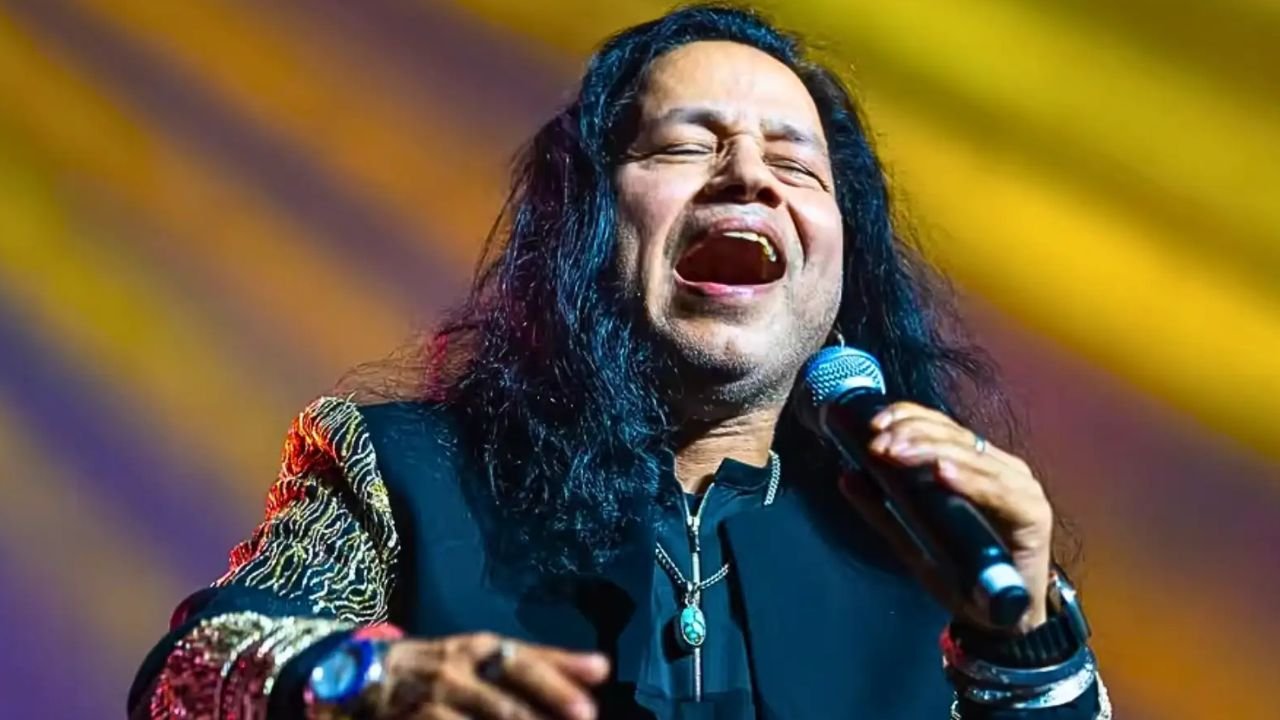
Live concerts thrive on energy, but they also rely on mutual respect. That balance was tested at Kailash Kher’s Gwalior concert, when the veteran singer halted his performance mid‑way and firmly addressed an unruly crowd, urging them to stop what he called “janwargiri.” The moment quickly went viral but beyond the clip lies a deeper conversation about audience conduct and the evolving culture of live music in India.
Kailash Kher is no stranger to large, emotionally charged crowds. His music carries spiritual weight, rooted in devotion, folk tradition and reflection. That context makes the incident especially significant. This wasn’t a pop spectacle spiralling out of control it was a moment where an artist felt compelled to protect the sanctity of the performance space.
When Kailash paused the show, his tone wasn’t theatrical or confrontational. It was corrective. By stopping the concert, he made one thing clear: music isn’t just content to be consumed at any cost. It’s a shared experience that requires responsibility from both sides of the stage.
The incident highlights a growing issue across Indian live events. As concerts scale up and become more accessible, crowd behaviour has changed. Phones are constantly raised, boundaries blur, and in some cases, chaos replaces connection. Artists are increasingly navigating environments where enthusiasm tips into entitlement.
What Kailash Kher’s response did was reset that equation. By refusing to continue until order was restored, he reminded audiences that presence matters more than noise. That respect for the artist, the music, and fellow listeners is not optional.
Importantly, this wasn’t about silencing joy or excitement. It was about drawing a line between celebration and disruption. Live music, especially in genres rooted in spirituality and introspection, demands a certain attentiveness. Kailash’s music has always asked listeners to feel deeply not shout loudly.
The viral reaction to the moment reveals a divided response. While some criticised the interruption, many supported the artist’s stand, seeing it as overdue. In an era where performers are often expected to tolerate anything in the name of engagement, such boundaries feel necessary.
This incident also raises a broader question: Who is responsible for the live music experience? Security, organisers, artists and audiences themselves all play a role. Respectful listening isn’t outdated; it’s foundational.
Kailash Kher stopping his Gwalior concert wasn’t an outburst. It was a statement. A reminder that music spaces are not lawless zones, but shared cultural moments that deserve care.
In a rapidly evolving live‑music landscape, moments like this matter. They remind us that the most powerful performances aren’t always sung they’re sometimes spoken.
Read More About: Sunidhi Chauhan’s Delhi Concert Moment: Why the Internet Is Calling Her ‘Taylor Swift‑Coded’

Leave a Comment