Madari: The Performance That Still Strikes Like Lightning

When a song refuses to fade after more than a decade, it’s worth asking why. Madari is one of those rare pieces of contemporary Indian music that keeps returning to listeners with the same force it had the day it broke through. Performed with volcanic intensity by Vishal Dadlani and Sonu Kakkar, and arranged with cinematic precision by Clinton Cerejo, the track captures an elemental energy: equal parts fury, longing and ritual.
From the first pulse, Madari sets a tone of urgency. The arrangement doesn’t build to comfort; it builds to confrontation. Clinton Cerejo’s production stitches together folk motifs, Sufi overtones and hard‑hitting percussive patterns, creating a landscape that’s as raw as it is artful. There’s a cinematic sweep to the arrangement strings and understated electronics lift the composition without softening its edges.
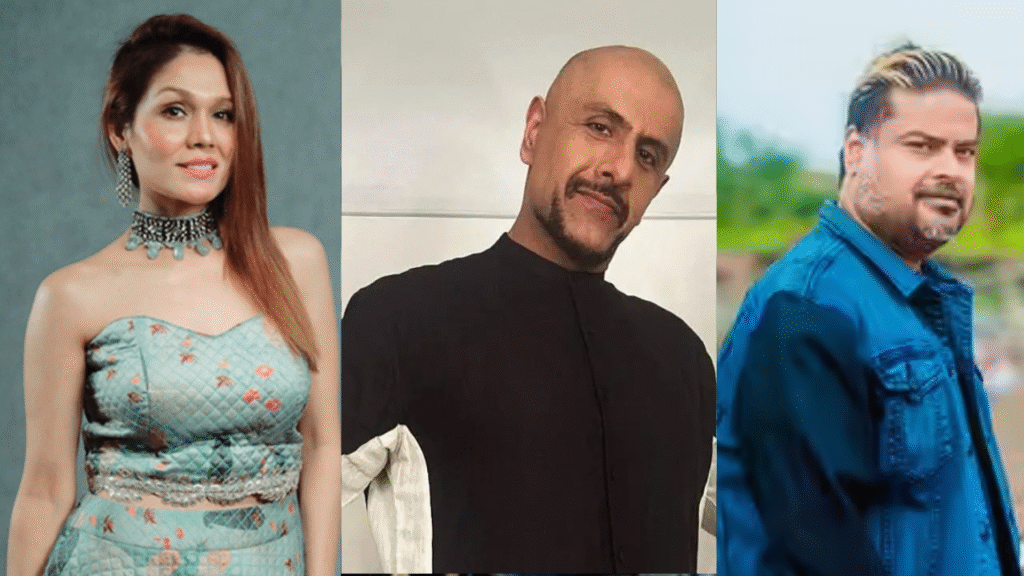
Vishal Dadlani supplies the thunder. His delivery is muscular but nuanced; he can roar without losing pitch, shift from restraint to catharsis in a breath, and make each syllable land like a lived confession. There’s theatricality, yes, but it never feels posed. His voice reads as urgency incarnate: a man at odds with fate, demanding answers.
Opposite him, Sonu Kakkar brings a different kind of heat. Her vocal texture is earthy and immediate, a kind of vocal grit that adds emotional weight and contrast. Where Vishal is the incendiary center, Sonu is the embered heart she tempers and amplifies the drama, making the duet feel like a conversation between two elemental forces.
What makes Madari timeless is balance. The arrangement never overplays; the vocals never spill into excess. Clinton’s subtle layering muted brass here, a harmonium wash there, percussive detail that moves like a heartbeat gives the track depth on repeated listens. Each replay reveals a new production choice, a line you missed the first time, a harmonic that turns the chorus on its head.
Beyond technique, Madari endures because it captures an archetype: resistance. It’s a song about being bound and choosing to fight. That message is evergreen. It also arrives at the perfect intersection of mainstream reach and indie rigor accessible enough to enter popular culture, adventurous enough to reward attentive listeners.
Thirteen years later, Madari still sounds like an event. It’s the kind of performance that makes listeners look up, quiet the room, and feel the air change. In an age of disposable singles and ephemeral trends, that kind of staying power is the truest definition of timeless.


Leave a Comment