O Meri Munni Remo Fernandes: The 90s Indie Pop Classic That Changed Indian Fusion Music
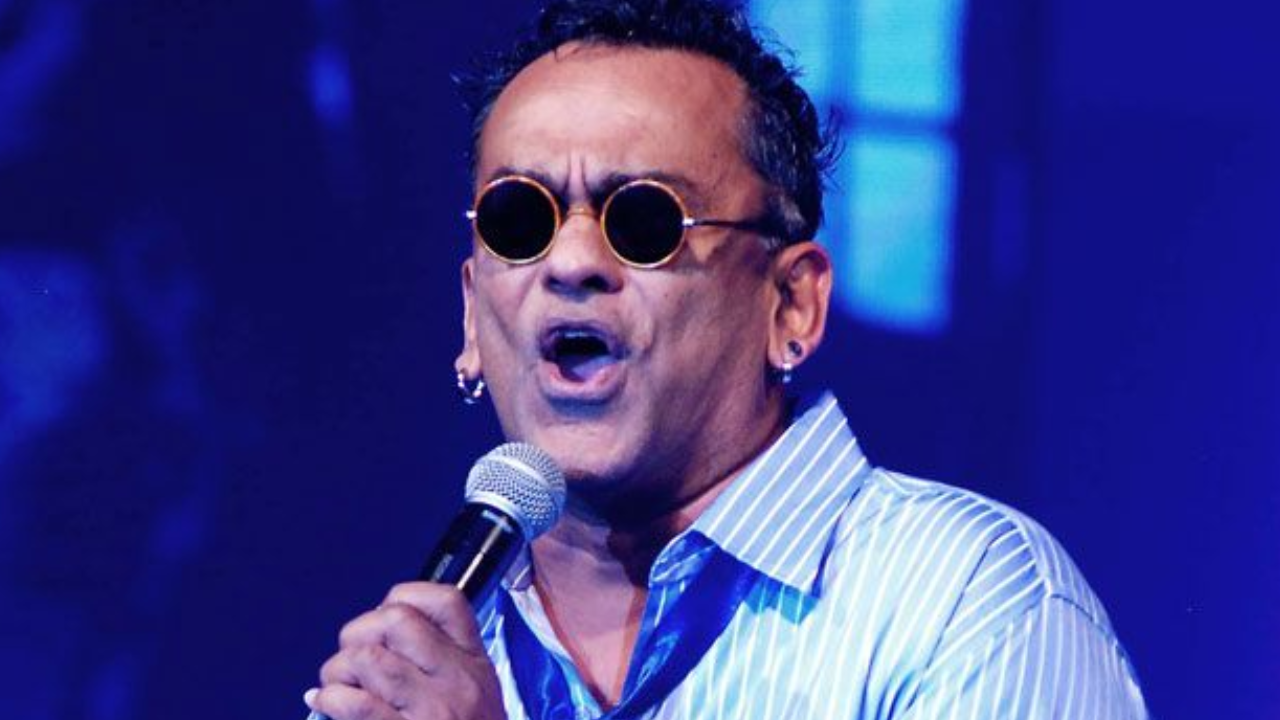
If there’s one song that captures the wild, colourful energy of late-90s Indian pop, it’s Remo Fernandes’ O Meri Munni. Even today, the moment those opening lines hit, people smile. It’s playful, it’s chaotic, and it carries the unmistakable stamp of Remo’s global-meets-Goan musical identity. But the song’s impact runs much deeper than nostalgia. O Meri Munni sits right at the crossroads of Goa’s unique cultural story, India’s growing appetite for pop outside Bollywood, and Remo’s lifelong habit of mixing global rhythms with local flavour.
Remo’s journey begins in Goa, where Portuguese influence, European melodies and a deeply musical environment shaped his childhood. Unlike most Indian musicians of the time, he didn’t grow up around Bollywood playback culture. He grew up around mandos, fado, Latin guitars and church choirs. That early mix of cultures made him an outsider to the mainstream but also gave him a tonal world that no commercial music producer could manufacture.
Through the 80s and early 90s, Remo built a cult following with his English rock albums. Songs like Bombay City and Politicians Don’t Know to Rock’n’Roll were sharp, socially aware and way ahead of their time. But the industry didn’t know what to do with someone writing in English, speaking blunt truths, and playing fusion rock. He kept pushing anyway.
By the late 90s, Indian pop was booming. Magnasound and Sony were backing independent artists, MTV had changed everything, and non-film pop suddenly had space to breathe. That’s the moment Remo stepped into the Hindi pop world not by diluting his sound, but by translating his fusion instincts into a language the wider Indian audience understood.
The 1998 album O Meri Munni was that bridge. And the title song did exactly what it needed to. It was Hinglish, cheeky and instantly singable. But underneath the fun was Remo’s signature construction: African and Caribbean rhythmic patterns, Goan movement, Latin undertones, Indian dholak grooves and his trademark flute lines. It was Desi Pop built on a truly global rhythmic engine.
The album wasn’t a one-track wonder either. Maria Pita Che, Maya Ya and The Flute Song kept the fusion front and centre. These tracks still pull millions of plays on streaming platforms today, proving they weren’t filler they were the heart of the album.
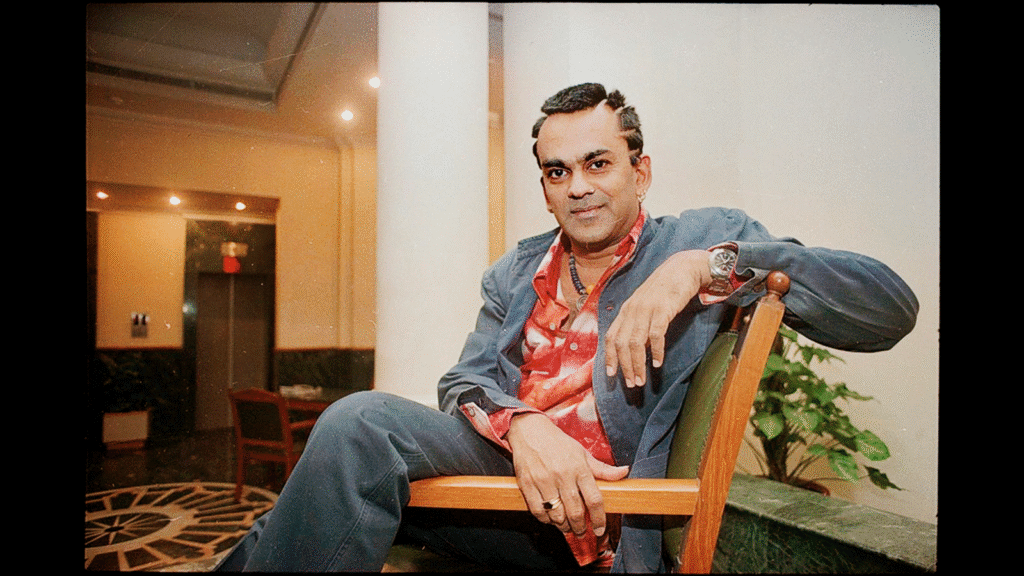
O Meri Munni’s success also cemented something bigger. It proved that non-film Indian music could stand on its own commercially. It showed that audiences didn’t need a film storyline to fall in love with a song. And it brought Remo’s world Goa, global rhythm, fusion guitars, sharp hooks — into national pop culture.
The song’s real power came out in live settings. People didn’t just listen; they moved closer to the stage, demanded repeats, shouted the chorus. Remo’s shows were known to end on a high because of this track. Even decades later, the energy is the same.
Looking back, O Meri Munni was more than a hit. It was the moment an artist with a completely unique musical history found a way to bring his entire world to the Indian mainstream. It was proof that fusion wasn’t a niche it could be the sound of the nation. And that’s why the track still lives in people’s memories long after the 90s faded.
Read More About: Why A Band of Boys’ “Gori” Still Stands as India’s Definitive Indipop Boy-Band Anthem



Leave a Comment