Palash Sen and the Long Road of Indian Pop: Why the Audience Still Matters Most
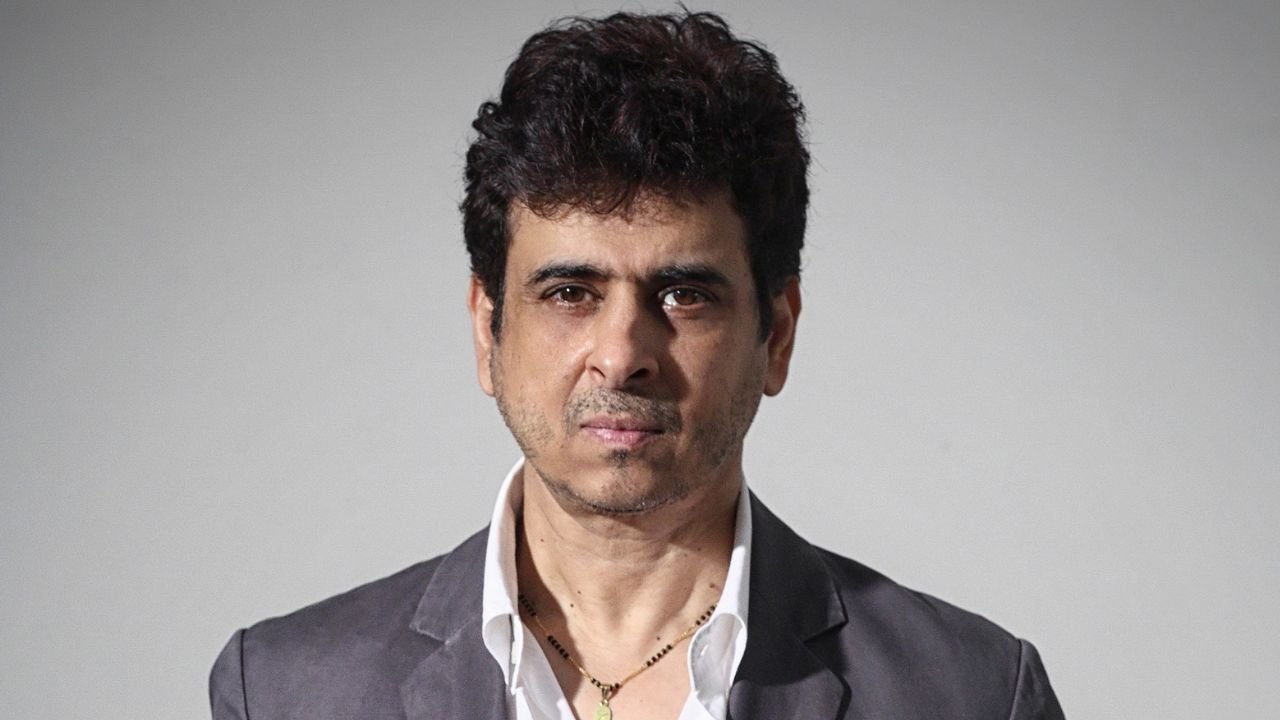
Indian pop music has always lived in a complicated space caught between mainstream cinema, shifting industry priorities, and the slow erosion of platforms that once supported independent voices. Few artists embody that tension more honestly than Palash Sen, the voice behind Euphoria, whose journey reflects both the promise and neglect that defined India’s pop movement.
Palash Sen’s reflections on his career aren’t framed as complaint. They’re framed as reality. While industry structures and labels often moved on, chasing newer formats and faster returns, his music continued to live where it mattered most with listeners. That distinction is important. It separates visibility from value.
Euphoria emerged at a time when Indian pop felt possible on its own terms. Their music wasn’t dependent on films or formulas. It was melodic, emotionally direct, and rooted in songwriting rather than spectacle. For many listeners, those songs weren’t just hits they were markers of time, memory and youth.
As the industry shifted, however, the space for bands like Euphoria narrowed. Pop gave way to soundtrack‑driven success, and independent acts were slowly pushed to the margins. Palash Sen’s experience reflects that transition. Not erased, but sidelined. Not forgotten, but unsupported.
What stands out is his relationship with the audience. Despite structural indifference, listeners stayed. Live shows remained full. Songs continued to be sung back. That kind of loyalty doesn’t come from algorithms or marketing cycles. It comes from emotional ownership. People don’t just remember Euphoria’s music they carry it.
This dynamic says a lot about how Indian music culture actually functions beneath the surface. The industry may move in waves, but audiences move in memory. They don’t abandon artists just because the spotlight shifts. They return when the music still feels like home.
Palash Sen’s story also highlights an uncomfortable truth: fairness in the music business is inconsistent at best. Longevity rarely guarantees institutional support. But it does build something more durable—trust. That trust is what allows artists to continue long after trends expire.
In today’s independent music conversation, his journey feels newly relevant. As younger artists fight for ownership and space, Palash Sen’s experience serves as a reminder that audiences are often more reliable than systems. If listeners connect deeply enough, the music survives even when infrastructure doesn’t.
There’s no bitterness in that perspective. Just clarity. Recognition of where validation truly comes from.
In an industry that constantly reinvents itself, Palash Sen stands as proof that some things don’t change. Labels rise and fall. Formats evolve. But when music becomes part of people’s lives, it doesn’t disappear.
The audience never really lets you down.
They remember.
Read More About: Why Amaal and Armaan Malik’s Response to Comparison Culture Matters Right Now


Leave a Comment