Taylor Swift and the Art of the Rollout: How Narrative Still Wins in the Social Media Age
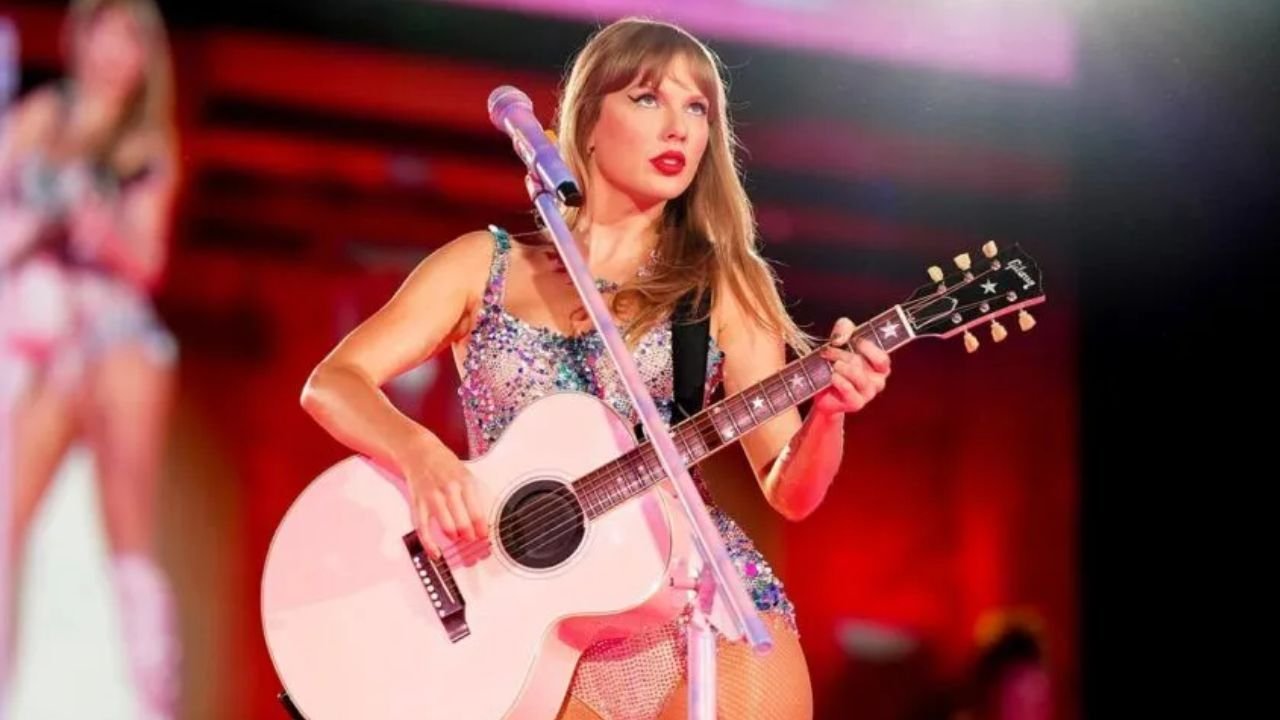
In an era where music marketing often collapses into constant posting and instant gratification, Taylor Swift continues to operate on a different frequency. Her recent social media campaign surrounding The Life of a Showgirl didn’t rely on saturation or shock. Instead, it unfolded patiently layer by layer reminding audiences that storytelling, when done with intention, still holds power.
What stood out about this rollout wasn’t volume, but control. Taylor Swift didn’t flood timelines with explanation. She offered fragments visuals, tone shifts, carefully timed appearances that allowed fans to piece together meaning on their own. In doing so, she transformed social media from a promotional tool into a narrative space. The campaign didn’t shout for attention. It invited participation.
This approach reflects something Swift has understood better than most artists: audiences today don’t just want content, they want context. Her social media presence felt less like marketing and more like world‑building. Each post carried mood rather than message, emotion rather than instruction. That restraint created anticipation instead of fatigue.
Crucially, the campaign leaned into theatricality without becoming artificial. The “showgirl” imagery wasn’t nostalgia for its own sake it symbolised performance, spectacle, and the tension between public persona and private self. Swift has long explored that duality, and here, social media became an extension of that conversation rather than a distraction from it.
What makes this strategy effective is trust. Taylor Swift doesn’t assume short attention spans. She assumes curiosity. By resisting the urge to over‑explain, she allowed fans to theorise, discuss and emotionally invest. The result wasn’t just engagement it was ownership. The audience didn’t just watch the rollout. They helped carry it forward.
This also highlights a larger shift in how major artists can use digital platforms. Instead of chasing algorithms, Swift designs moments. Instead of reacting in real time, she controls pacing. In a culture built on immediacy, that patience feels radical.
For younger artists watching from the sidelines, there’s a lesson here that extends beyond scale. You don’t need massive budgets to build narrative. You need clarity of vision. Swift’s campaign proves that coherence matters more than consistency, and intention matters more than frequency.
Culturally, this rollout reaffirmed Swift’s position not just as a musician, but as a curator of experience. She understands that pop culture thrives on symbolism, mystery and emotional continuity. Social media, in her hands, becomes a stage rather than a feed.
At a time when many campaigns blur together, The Life of a Showgirl stood apart because it remembered something fundamental: music doesn’t live only in sound. It lives in story, atmosphere and timing.
Taylor Swift didn’t reinvent the internet.
She reminded it how narrative still works.
Read More About: Inside Dhurandhar: How Shashwat Sachdev and Fa9la Reimagined the Language of Film Music



Leave a Comment