The Voice That Lingers: Rahul U and the Emotional Architecture of Bikhre Gulab

Intro – Defining the Story
Independent music often talks about heartbreak, but rarely about what remains after it. Rahul U’s EP Bikhre Gulab doesn’t chase drama or grand closure. Instead, it lives in the quiet aftermath where love has ended, but its presence hasn’t.
At the centre of the EP sits Shikayatein, a ballad built on absence, memory, and emotional residue. It’s not a breakup song. It’s a song about what lingers when the person is gone.
Reality Check – Assumption vs Ground Reality
The assumption around emotionally driven pop is that simplicity means limitation. The reality with Rahul U is the opposite.
Despite being a trained producer from KM Music Conservatory founded by A. R. Rahman, Rahul deliberately resists over‑production. His technical range playing over 22 instruments never becomes the point. Restraint does.
In Shikayatein, complexity exists beneath the surface. The challenge wasn’t making the song sound big it was keeping it emotionally honest without ornamentation.
Artist / Scene Insight – A Genre‑Fluid Storyteller
Rahul U’s music sits between worlds: pop, hip‑hop, fusion, rap, and spoken emotion. But genre is secondary to storytelling.
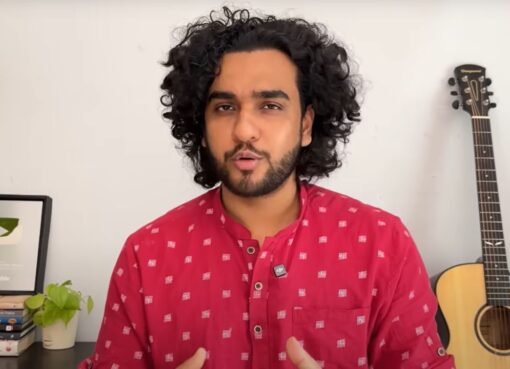
Based out of Pune, his work feels rooted in lived experience rather than scene trends. His performances and compositions are less about performance energy and more about narrative continuity songs as reflections of thought, growth, and internal dialogue.
That sensibility runs through Bikhre Gulab as a whole. The EP doesn’t jump between moods. It unfolds.
The Song – ‘Shikayatein’ and the Weight of Absence
Shikayatein is built like a memory. Melodically gentle, lyrically direct, and emotionally heavy, the song explores a boy who feels his partner’s presence everywhere even after separation.
There’s no anger here. No accusation. Just emptiness.
The ballad structure allows space for silence to do as much work as sound. Each line feels intentionally simple, echoing Rahul’s own admission that the hardest part was resisting melodic excess. The result is a song that doesn’t push emotion it waits for it.
Why This Matters – Culture, Listening Habits, and Emotional Honesty
Culture:
Songs like Shikayatein reflect a shift in Indian indie music away from dramatized heartbreak toward quieter emotional realism.
Listening Habits:
This is headphone music. Late‑night music. Music for people who don’t want to explain what they’re feeling.
Ecosystem:
Rahul U represents a generation of technically trained artists choosing vulnerability over virtuosity proving that skill doesn’t need to announce itself.
The EP – Bikhre Gulab as a Concept
Bikhre Gulab translates loosely to “scattered roses” a fitting metaphor for love experienced in fragments. The EP draws heavily from Rahul’s personal experiences, but its strength lies in universality. These are emotions many people recognise but rarely articulate.
Each track feels like a petal from the same flower different angles of the same emotional season.
What Comes Next – A Voice Built for Longevity
Rahul U doesn’t sound like an artist chasing moments. He sounds like one building a language. If his future work continues this balance of technical depth and emotional simplicity, his music could resonate deeply with listeners seeking honesty over spectacle.
Bikhre Gulab isn’t an arrival. It’s a foundation.
Reader Question – Opening the Conversation
Do you connect more with songs that speak softly rather than dramatically about love and loss?
Where does Shikayatein sit in your emotional listening space?
Read More About: The Soulful World of Osho Jain: India’s Modern‑Day Balladeer

Leave a Comment