Theharity’s ‘Jaan Meri Jaaye’: A Five‑Year Silence, a Soft Comeback, and the Weight of Survival
Intro – The Story We’re Really Talking About
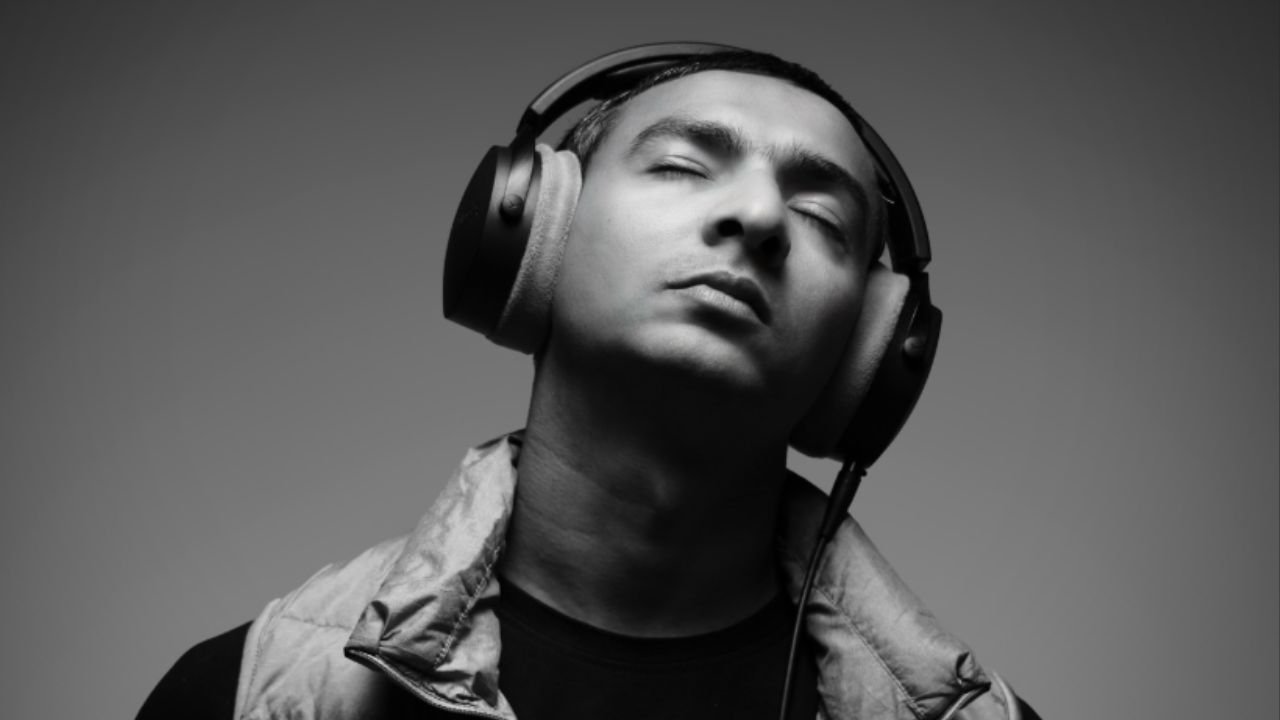
Comeback stories in independent music are rarely loud. They don’t arrive with countdowns or industry noise. They arrive quietly often after years of silence, struggle, and self‑doubt. Theharity’s return with Jaan Meri Jaaye is exactly that kind of moment.
Released on January 4, the Hindi synth‑pop track marks the end of a five‑year gap since his last release in 2020. But this isn’t just about a new song. It’s about what it takes to come back in India’s independent music ecosystem after life interrupts art.
Reality Check – What People Assume vs Ground Reality
There’s a popular assumption that artists who disappear simply lose momentum or interest. The reality is far more complicated.
Between 2020 and now, Theharity’s journey was shaped by health challenges, personal upheavals, and the emotional fatigue that the pandemic inflicted on many creators. While the industry raced toward content overload, some artists were forced inward rebuilding quietly without the luxury of visibility.
Theharity didn’t stop being an artist during this time. He just stopped releasing. And that distinction matters.
Artist / Scene Insight – Who Theharity Is Beneath the Release
Before the hiatus, Theharity had already shown promise organically building listeners, peaking at #3 on Spotify’s RADAR India playlist, and earning placements on New Music Friday. Trained at AR Rahman’s KM Music Conservatory and recognised as a Dell Futurist winner, his foundation was never accidental.
What sets him apart, however, isn’t résumé value it’s mindset. Known for a “marathon” approach to art (including literally running 11 km to shoot visuals for an earlier track), Theharity treats music as endurance, not output.
That philosophy defines Jaan Meri Jaaye. It doesn’t sound like a desperate return. It sounds like an artist who waited until he was ready.
The Song – How ‘Jaan Meri Jaaye’ Was Born
The song itself came together almost by accident. During a studio break in Ahmedabad in 2023, producer Bazzotorous played an instrumental and casually asked if something could be written to it. Theharity opened his phone, hit voice memo, and began singing.
Within minutes, “Jaan Jaaye Meri Jaan” existed.
The emotion behind the song is rooted in longing missing a beloved while away on a music‑making journey. That vulnerability carries through the final version. The track doesn’t over‑explain itself. It lets simplicity do the work.
Musically, the synth‑pop production is restrained and clean, allowing melody and feeling to lead. It’s designed for emotional replay, not algorithmic spikes.
View this post on Instagram
Why This Matters – Culture, Mental Health, and the Indie Ecosystem
Culture:
Jaan Meri Jaaye represents a softer side of Indian indie music one that values emotional clarity over spectacle. In a scene increasingly shaped by virality, this kind of honesty feels necessary.
Mental Health:
Five‑year gaps are often judged harshly. This release reframes them. It reminds us that rest, recovery, and recalibration are also part of creative work.
Ecosystem:
For emerging artists watching from the sidelines, Theharity’s return offers something more valuable than numbers: permission to step back without disappearing forever.
The Visuals – Extending the Mood
The music video complements the song’s emotional tone rather than overpowering it. Clean visuals, reflective pacing, and intimacy mirror the track’s core feeling. It feels like an extension of the song’s inner monologue unforced, personal, and deliberate.
This alignment between sound and sight reinforces the idea that Jaan Meri Jaaye is not chasing attention. It’s inviting connection.
What Comes Next – A Second Chapter, Not a Reset
This release doesn’t feel like a restart. It feels like a continuation with sharper clarity and fewer distractions.
If Theharity’s next phase builds on this honesty, his work could resonate deeply with listeners navigating their own pauses, setbacks, and returns. The comeback isn’t about reclaiming hype. It’s about reclaiming voice.
Reader Question – Let’s Talk Comebacks
Do you think artists should feel pressured to stay visible at all times, or is stepping back sometimes essential to making better music?
Share your thoughts in the comments.

Leave a Comment