What Makes Emiway Bantai Different in India’s Indie Scene
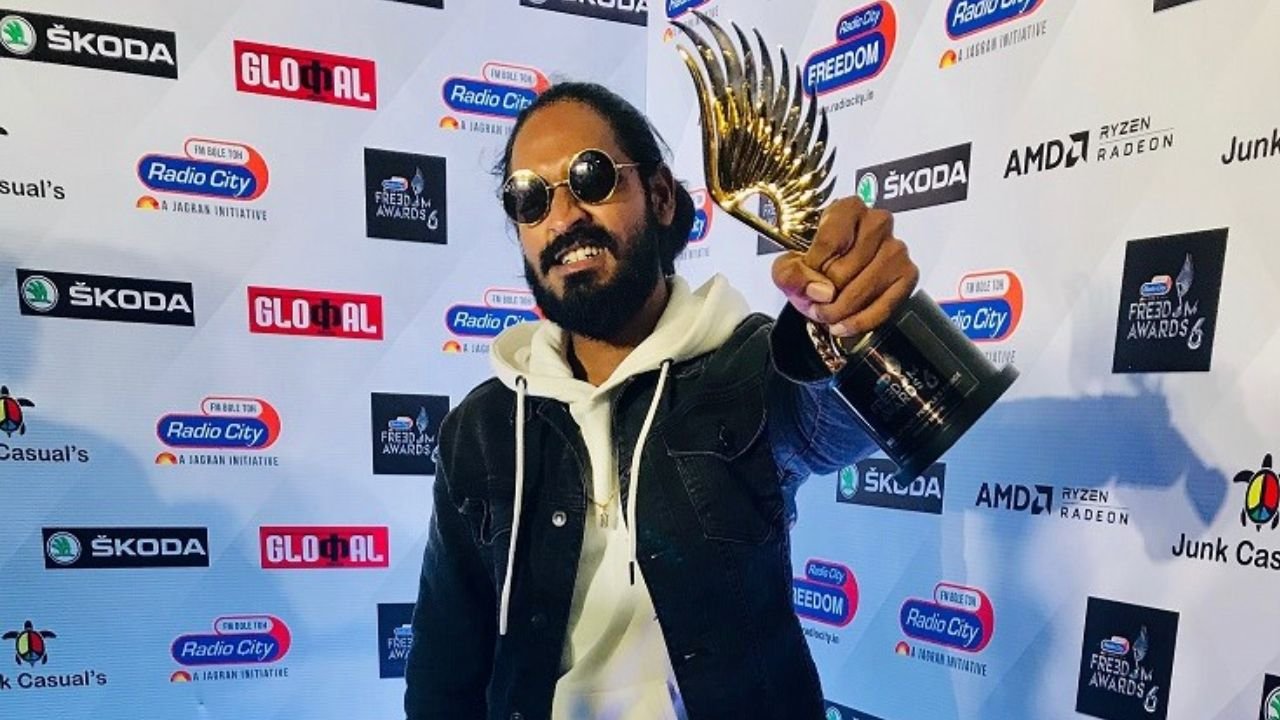
Why Emiway Is Always Part of the Conversation
India’s independent music scene has grown louder, wider, and more diverse over the last decade. Yet, despite the rise of multiple movements, platforms, and breakout artists, one name continues to sit at the centre of conversations around independence and self‑made success: Emiway Bantai.
What makes Emiway different isn’t just popularity or longevity. It’s the way he exists within the indie ecosystem often parallel to it, sometimes at odds with it, but never dependent on it. In a scene that now blends branding, digital strategy, and institutional support, Emiway remains an outlier whose journey refuses to fit neatly into any template.
What People Assume vs What’s Real
The assumption around Emiway is that he’s simply “the biggest independent rapper” or “the YouTube success story.” That framing, while partially true, misses the deeper distinction.
Many artists in India’s indie scene still rely directly or indirectly on validation through platforms, collaborations, festivals, or industry proximity. Emiway’s career, however, wasn’t built on access. It was built on resistance. He didn’t enter the scene through tastemakers or curated spaces. He forced his presence into the conversation through consistency and volume of belief.
The reality is this: Emiway didn’t rise within the indie scene as much as he built a parallel ecosystem of his own.
Ground‑Level Truth of Emiway’s Approach
At the core of Emiway’s difference is directness. He speaks directly to listeners, releases directly to platforms, and responds directly to moments good or bad. There’s very little mediation between him and his audience.
This approach comes from how he started. No label. No manager‑driven positioning. No long gaps between releases. Music dropped when it was ready, not when it was optimised. That immediacy created a sense of real‑time growth. Fans didn’t discover Emiway as a finished product they watched him evolve.
His language choice also plays a crucial role. Emiway raps in Hindi, English, and Mumbai street slang without apology or translation. This isn’t branding it’s identity. It allows listeners from similar backgrounds to see themselves reflected without filtering their realities to fit “indie aesthetics.”
Independence Without Aesthetic Polishing
A major difference between Emiway and much of the indie scene lies in presentation. Many indie artists carefully curate minimalism, restraint, or sonic sophistication. Emiway embraces excess loud hooks, aggressive delivery, repeated messaging, and high output.
This isn’t lack of taste. It’s a different philosophy. Emiway prioritises impact over approval. His music isn’t designed to age quietly; it’s designed to hit immediately, especially in live spaces.
That choice often puts him outside elite indie conversations, but firmly inside mass listener consciousness. He isn’t chasing cultural gatekeepers he’s speaking to people who rarely feel represented by them.
Culture, Money, and Survival
Culturally, Emiway represents a version of independence that predates branding language. Before “DIY” became fashionable, his independence was necessity‑driven. That origin still shapes his decisions today.
From a survival standpoint, his model is instructive. Streaming alone doesn’t sustain most independent artists in India. Emiway’s strength lies in community loyalty fans who show up to concerts, defend him online, and treat his success as shared success.
Financially, this translates into leverage. Not because of deals, but because of demand. Emiway’s independence isn’t symbolic it’s functional. He owns his output, controls his pace, and decides his narrative.
A Relationship With the Audience, Not the Industry
Perhaps the most defining difference is who Emiway prioritises. His primary relationship has never been with the industry. It has always been with the audience.
He doesn’t wait for alignment. He creates it. When critics question his choices, fans respond. When trends shift, his base remains. That loyalty isn’t accidental it’s earned through visibility, consistency, and emotional accessibility.
This relationship makes him difficult to categorise. He isn’t underground, yet not fully embraced by mainstream systems. He isn’t niche, yet not dependent on institutional platforms. That in‑between space is exactly where his power lies.
Emiway’s Place in the Indie Future
As India’s indie scene becomes more structured, curated, and brand‑aligned, Emiway’s presence serves as a reminder of an older, rougher version of independence one built without safety nets.
Going forward, his influence may matter less as a sound and more as a model. He shows that independence doesn’t have to look refined to be real. It can be loud, messy, repetitive, and still deeply effective.
For new artists, his career asks an uncomfortable but necessary question: Are you building for approval, or are you building for people who actually stay?
Reader Question
Emiway Bantai exists outside many indie norms and that’s exactly why he lasts.
Do you think India’s indie scene needs more artists like Emiway, or more structure and curation?
Let us know what you think in the comments.
Read More About: The Moment Emiway Bantai Realised Music Could Be a Career



Leave a Comment