Why Indian Movie Trailers Are Using Rap Music More Than Ever
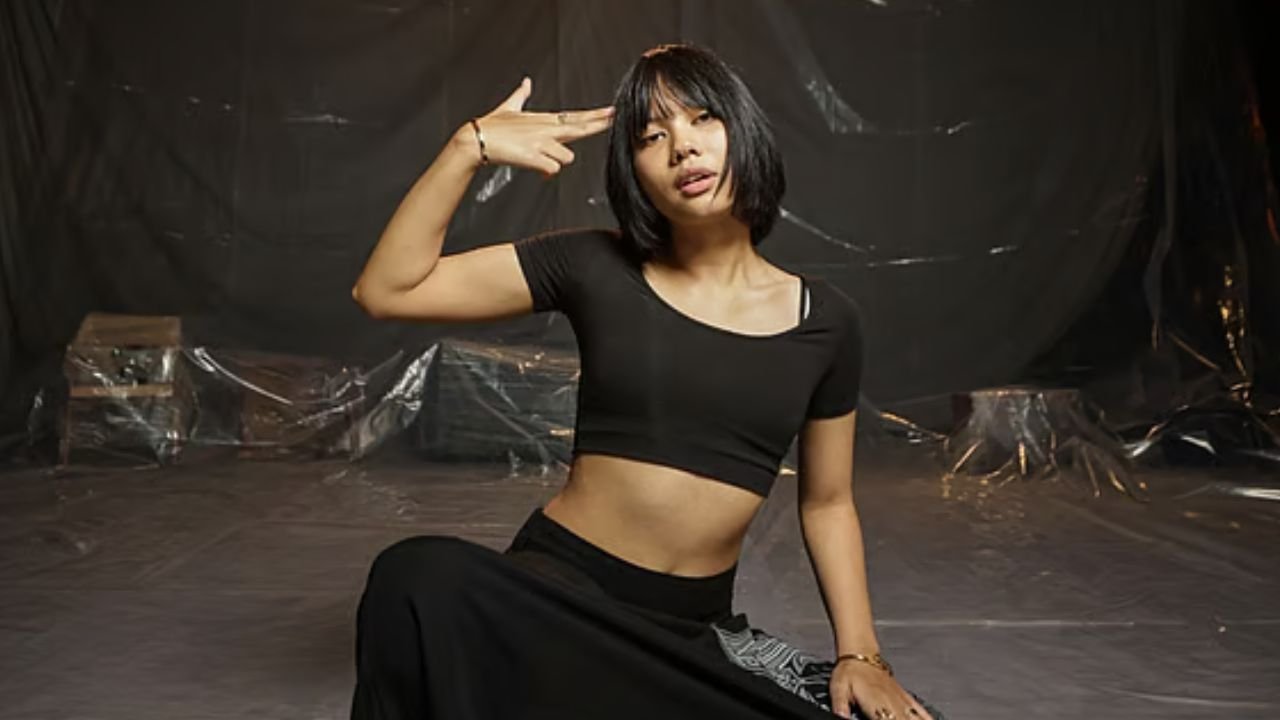
Scroll through recent Indian movie trailers and one shift becomes immediately clear: rap music has moved from the margins to the centre of cinematic promotion. What was once reserved for niche urban films is now shaping the sonic identity of mainstream trailers across languages. This isn’t a trend driven by novelty it’s a reflection of how Indian cinema is responding to changing audiences, platforms and storytelling rhythms.
At its core, rap offers something trailers need today: immediacy. Modern trailers are shorter, faster and designed for mobile screens. Rap’s rhythmic urgency, sharp phrasing and punch‑heavy delivery fit perfectly into this format. A few bars can establish mood, attitude and conflict far quicker than traditional background scores.
Another reason for rap’s rise is cultural relevance. Over the last decade, Indian hip‑hop has grown from an underground movement into a widely recognised cultural force. Artists from Mumbai, Delhi, Punjab and regional scenes have shaped a sound that speaks directly to youth identity, ambition and resistance. When filmmakers use rap in trailers, they’re tapping into that credibility signalling that the film understands contemporary language and street‑level emotion.
Rap also aligns naturally with character‑driven storytelling. Trailers increasingly focus on attitude rather than plot exposition. A rap verse can function like a character monologue expressing rage, defiance, swagger or survival instinct without explaining it outright. This has made rap especially popular for action films, political dramas and stories centred on power dynamics.
Platform behaviour plays a major role too. Trailers today are not just theatrical previews; they are content pieces designed for Instagram Reels, YouTube Shorts and X clips. Rap’s hook‑based structure makes trailers more loop‑friendly and shareable. A hard‑hitting line or beat drop often becomes the trailer’s most replayed moment, helping it travel organically across social feeds.
There’s also a strategic marketing layer at work. Using rap especially original verses or collaborations with known hip‑hop artists films connect with music fandoms beyond traditional cinephiles. A trailer doesn’t just promote a film anymore; it positions the movie within a broader pop‑culture conversation.
Importantly, this shift doesn’t signal the death of melody or orchestral scoring. Instead, it reflects a sonic diversification. Rap is being used when the story demands urgency, grit or realism, while other genres continue to serve romance, nostalgia and spectacle. The trailer has become a space for experimentation rather than formula.
What makes this moment significant is longevity. Rap in trailers is no longer a gimmick it’s a language audiences understand instinctively. It mirrors how Indian cinema is evolving: faster, more self‑aware, and deeply influenced by contemporary music culture.
As long as films continue to chase immediacy, authenticity and digital reach, rap will remain a powerful trailer tool not because it’s loud, but because it speaks in the rhythm of the present.
Read More About: Reble, Tsumyoki, and Shashwat Sachdev Supercharge Dhurandhar Trailer With a Hard-Hitting Rap and Score
Leave a Comment