Why Sanjay Dutt’s Entry Scene in Dhurandhar Has Turned a Bengali Song Into a Viral Phenomenon
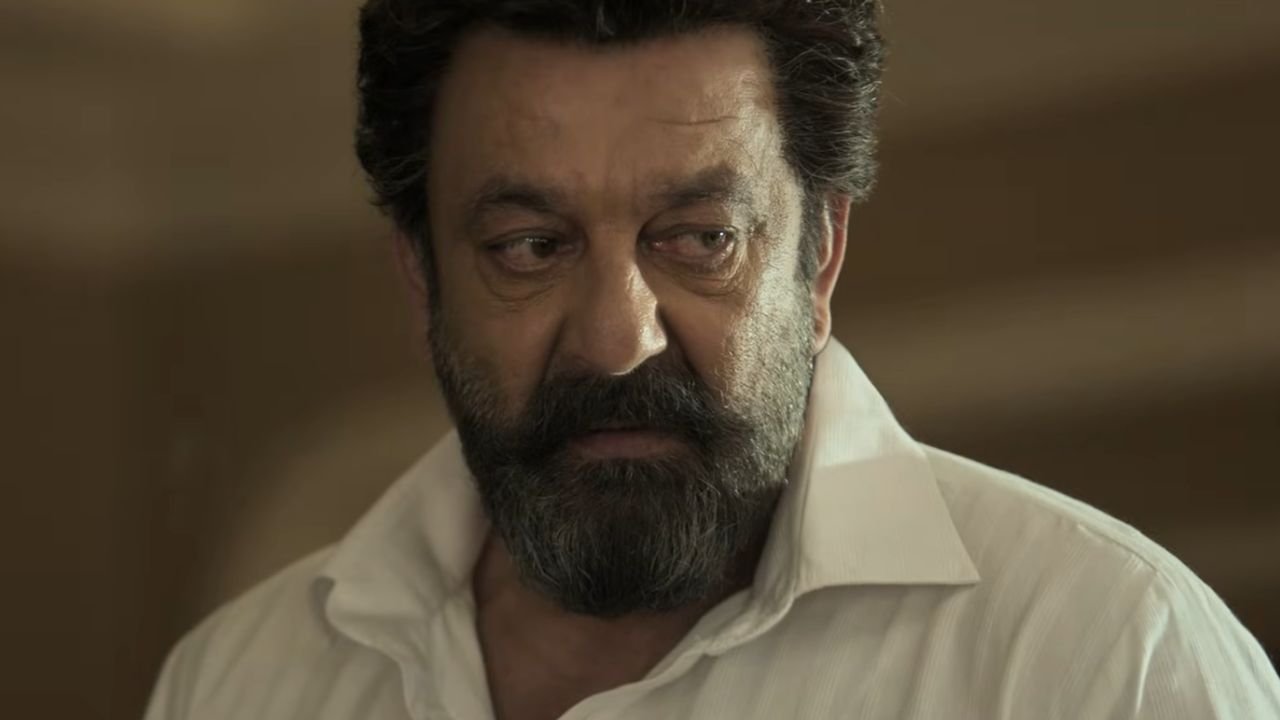
Cinema has always had the power to resurrect music, and Sanjay Dutt’s entry scene in Dhurandhar has become the latest example of how a powerful visual moment can breathe new life into an existing song. The actor’s commanding screen presence, paired with a classic Bengali track, has unexpectedly sent the song viral capturing the imagination of audiences across regions and generations.
The entry sequence, designed to establish Dutt’s character with authority and intensity, uses music not as background but as a narrative amplifier. The Bengali song, rich in emotion and cultural texture, adds a layer of gravitas that elevates the scene beyond a standard cinematic introduction. As the visuals unfolded on screen, viewers quickly took to social media, sharing clips, reactions and edits triggering a wave of rediscovery.
What makes this moment particularly striking is the song’s origin. Long familiar to Bengali audiences, the track now finds itself introduced to a pan‑Indian and global viewership. Streaming numbers surged as curious listeners searched for the song, while reels and short‑form videos began circulating across platforms, often pairing the audio with everything from cinematic edits to personal nostalgia posts.
Sanjay Dutt’s screen persona plays a key role in this resurgence. Known for his larger‑than‑life presence and unmistakable intensity, Dutt brings a sense of inevitability to his entry scenes. When paired with a song that carries emotional and cultural weight, the impact multiplies. The result is not just a memorable film moment, but a cultural crossover that travels far beyond the cinema hall.
This viral moment also reflects a broader trend in Indian entertainment, where regional music is increasingly finding new life through mainstream cinema. Rather than relying solely on newly composed tracks, filmmakers are tapping into existing musical legacies allowing songs with deep cultural roots to connect with newer audiences through context and storytelling.
Social media has accelerated this process. Within hours of the film’s release, users began identifying the song, sharing its history, and celebrating its placement in Dhurandhar. For many younger viewers, the track was a first encounter with Bengali music of an earlier era. For others, it was a moment of nostalgia proof that familiar melodies can still feel powerful when reintroduced in the right setting.
The success of this moment highlights how music discovery today is no longer linear. A song doesn’t need to be new to trend; it needs relevance. Cinema provides that relevance by reframing music emotionally and visually, allowing it to re‑enter public consciousness with renewed meaning.
In Dhurandhar, Sanjay Dutt’s entry scene achieves exactly that. It doesn’t just establish character it creates a bridge between cinematic storytelling and musical heritage. The viral success of the Bengali song stands as a reminder that great music, when paired with the right moment, never truly fades. It waits until the screen calls it back.
Read More about: Akshaye Khanna’s Explosive “FA9LA” Entry in Dhurandhar Is Pure Cinematic Fire



Leave a Comment