The Legacy of “Hey Bhagwan” and How Raghu Dixit Sparked a New Indie Revolution
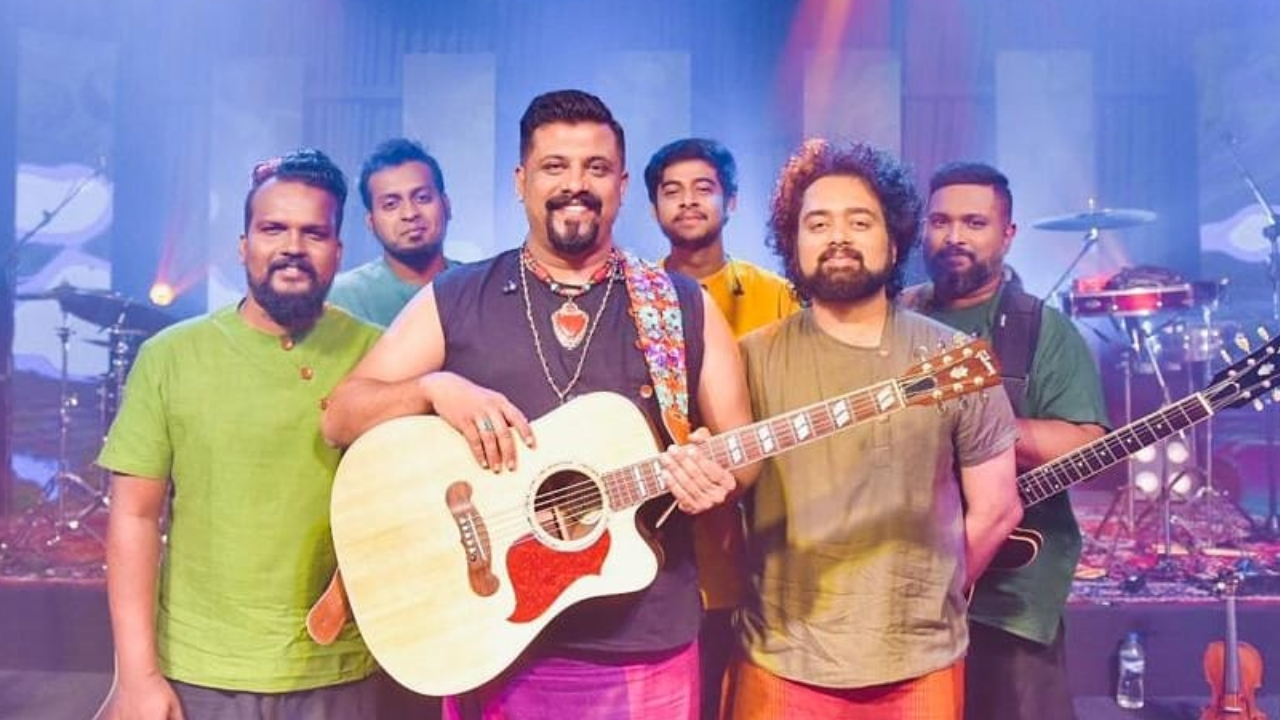
When “Hey Bhagwan” released around 2007, it didn’t arrive with the pomp of a Bollywood launch or the force of a record label push. It entered quietly, carried by The Raghu Dixit Project’s raw energy, earthy aesthetics, and a simplicity that hit straight at the heart. Yet within months, the song became something far bigger than a folk-rock single. It turned into a cultural breakthrough, a point where young India looked up and realised that independent music could be powerful, meaningful, and just as exciting as anything coming out of films.
The magic of “Hey Bhagwan” lies in how familiar it feels. Raghu Dixit’s voice doesn’t sound like it’s trying too hard. It feels lived-in, real, and deeply emotional. The song’s core message, asking life for another chance, a fresh breath, a moment to start again, struck a chord with people across languages, states, and backgrounds. In a country where everyone carries some weight on their shoulders, “zindagi dubara” wasn’t a fancy phrase. It felt like a shared prayer.
Musically, the track delivered an unusual mix for that era. Folk music was always a part of India, but the idea of mixing traditional melodies with rock, contemporary rhythm sections, and a live band feel was still new to many listeners. Raghu and his band bridged that gap effortlessly. Their production didn’t try to cover up the folk roots. Instead, it celebrated them, the rusticiveness, the slight rasp, the natural swing in his voice. The blend created a sound that felt both ancient and modern, giving listeners something they didn’t even know they were missing.
The visual identity mattered too. Raghu Dixit stepping onto stages in his lungi, ghungroo tied around his ankles, and a big smile cutting through the smoke created an image that stayed with people. It challenged the assumption that Indian musicians had to look a certain Western way to be taken seriously. Here was an artist proudly rooted in his culture, singing in Kannada and Hindi, and connecting with crowds worldwide. For young indie musicians who had grown up thinking English was the only way forward, Raghu’s presence was a shockwave of confidence.
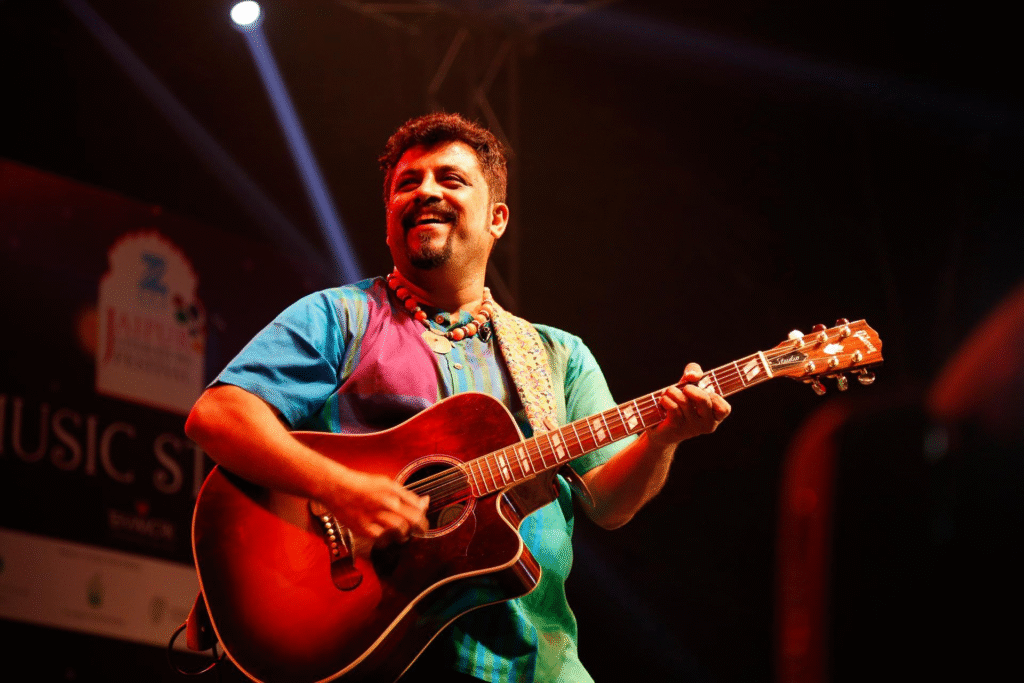
When “Hey Bhagwan” appeared on Coke Studio MTV, it found a second life. Millions discovered it through that iconic performance, and the song became one of the defining tracks of the early independent music boom in India. Long before India had a recognised scene, long before streaming platforms made indie artists household names, The Raghu Dixit Project showed what was possible with honesty, craft, and cultural pride.
The impact of “Hey Bhagwan” goes beyond charts, streams, or YouTube numbers. It marks a moment when independent music stopped feeling like a side hobby and began to sound like a movement. Artists realised they could be inspired by their roots and still sound fresh. Listeners realised they didn’t need Bollywood to express every emotion. And suddenly, there was space, real space, for folk-rock, indie pop, singer-songwriters, multilingual bands, and everything in between.
“Hey Bhagwan” wasn’t just a song. It was reassurance. It told a whole generation of artists and listeners that Indian music could be global without losing its soul. And in many ways, it still stands as one of the tracks that quietly built the foundation for the independent music explosion we see today.
Reab More About: The Timeless Charm of “Kya Karoon” and Why It Still Feels Like the Soundtrack of Growing Up


Leave a Comment