Why A Band of Boys’ “Gori” Still Stands as India’s Definitive Indipop Boy-Band Anthem
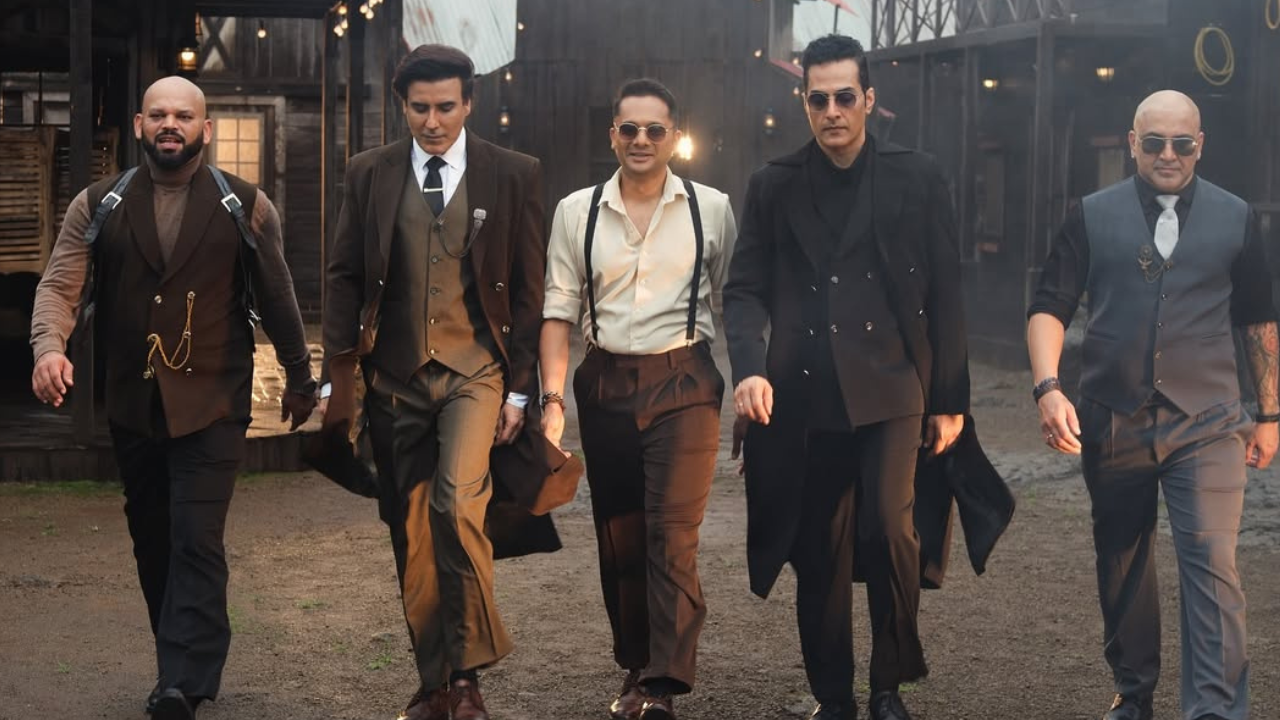
If you grew up in the early 2000s, chances are “Gori” by A Band of Boys wasn’t just a song in the background it was the soundtrack of school crushes, cable-TV afternoons, and India’s short but golden age of Indipop. More than two decades later, it still feels special. And when you look closely, “Gori” wasn’t just a hit; it was a rare cultural moment shaped by strategy, timing, musical craft, and pure emotional chemistry.
A Band of Boys entered the scene in 2001, right when India was hungry for original pop music outside films. MTV and Channel V were booming, non-film artists like Lucky Ali and Adnan Sami were dominating airplay, and for a brief moment Bollywood wasn’t the only game in town. Into this space came ABOB Karan Oberoi, Sherrin Varghese, Siddharth Haldipur, Chintoo Bhosle, and Sudhanshu Pandey India’s first real attempt at a localized boy band.
And they didn’t copy the West blindly. Their biggest win was localizing the Backstreet Boys/NSYNC formula for Indian ears. Under the mentorship of Hariharan a detail people often forget the band was trained in harmony, phrasing, and classical-infused vocal sophistication. That gave their music a depth very few boy bands anywhere in the world possessed. Instead of leaning on just looks and choreography, they built a sound rooted in Indian melodic tradition, wrapped in clean global pop production.
That production came from Lesle Lewis, the godfather of Indipop. “Gori” is a classic example of his style: minimal clutter, maximum clarity. The melody sits upfront, the harmonies breathe, and the groove has that soft blues-pop warmth that defined early-2000s non-film music. In an era where Bollywood tracks were becoming bigger, louder, and more synthetic, “Gori” felt refreshing and intimate.
But here’s the part that made “Gori” truly unique: it became a massive hit despite the video underperforming. At a time when music videos controlled everything, “Gori” didn’t really stand out visually. The video didn’t dominate TV rotations. But the moment radio stations picked it up, it exploded. Within a month, it was a huge hit purely on the strength of its melody. That almost never happened back then radio hits without video support were rare. “Gori” broke the pattern by proving that a great song will find its way into people’s lives, with or without the packaging.
And beyond charts and formats, “Gori” represents something emotional: the brotherhood that defined A Band of Boys. Their charm wasn’t manufactured; fans genuinely felt the friendship, the goofiness, the “boy next door” energy. That emotional memory is why, in 2024, when the band reunited for “Gori Again,” fans in their late 20s and early 30s instantly jumped back in and teenagers who weren’t even born in 2002 were singing along at concerts.
“Gori” survived shifts from cassettes to streaming, from countdown shows to reels. It’s still sung, still quoted, still associated with a softer, more innocent era of Indian pop. And that’s why it remains special: it wasn’t just a hit; it was a moment in India’s musical evolution and a reminder of what Indipop could be when melody, heart, and craft came together at the right time.
Read More about: The Timeless Charm of “Kya Karoon” and Why It Still Feels Like the Soundtrack of Growing Up



Leave a Comment