From Dharavi to Kala Ghoda: ‘Dharavi Dreams’ Takes the Stage on February 8, 2026
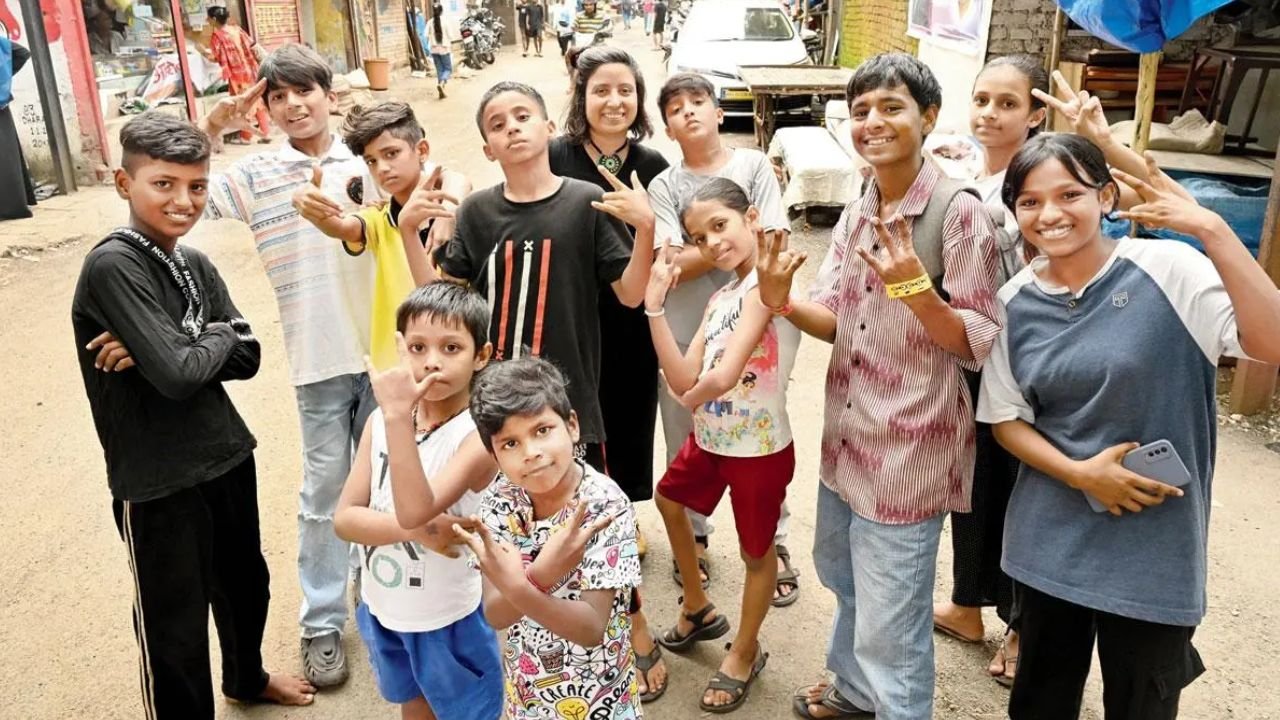
Intro – When the City Listens
Some stories wait patiently for their moment.
After a year and a half of imagining, building, and believing, Dharavi Dreams is ready to be seen live, unfiltered, and exactly where it belongs.
On 8th February 2026, the play travels from the lanes of Dharavi to one of Mumbai’s most culturally charged spaces: Kala Ghoda Arts Festival. This isn’t just a performance slot. It’s a statement.
View this post on Instagram
Reality Check – What It Takes to Reach This Stage
Stages like Kala Ghoda are often associated with institutions, legacies, and long‑established cultural voices. What we don’t see enough of are stories that begin far away from privilege and proximity.
Dharavi Dreams didn’t arrive here overnight. It comes after 1.5 years of waiting, dreaming, rehearsing, and creating without guarantees. The kind of work that happens quietly, long before audiences arrive.
That journey matters as much as the performance itself.
Artist / Scene Insight – Theatre as Lived Experience
Written and directed by Neha Singh, and produced by The Dharavi Dream Project – After School of Hip‑Hop, Dharavi Dreams draws directly from lived realities rather than imagined narratives.
This is theatre shaped by community. By voices that don’t observe life from a distance, but live inside it. The play’s identity titled by Rahi Theatre reflects exactly that: movement, journey, and survival.
It’s not performative struggle. It’s honest storytelling.
Why This Matters – Culture, Access, Representation
Culture:
When stories from Dharavi reach Kala Ghoda, it challenges who gets to define “high culture” in the city.
Access:
Platforms like Kala Ghoda hold power. Sharing that space with grassroots voices reshapes what representation actually looks like.
Ecosystem:
This moment shows what happens when long‑term community art practices are trusted with visibility not diluted, not re‑framed, just presented as they are.
The Sound of the Streets India Perspective
At Sound of the Streets India, moments like this matter deeply. Not because they’re headline‑friendly but because they document transition.
Dharavi Dreams moving into Kala Ghoda isn’t about arrival. It’s about continuity. About stories carrying themselves forward without losing their accent, their texture, or their truth.
This is exactly the kind of cultural shift that deserves to be archived.
What to Expect on February 8
Expect theatre that doesn’t soften its edges.
Expect stories rooted in aspiration, resistance, and everyday survival.
Expect a performance that carries Dharavi with it into the heart of South Mumbai.
This isn’t spectacle.
It’s presence.
Closing Thought – When Dreams Walk Into the City
From the lanes of Dharavi to the heart of Kala Ghoda, this is more than a play.
It’s proof that dreams don’t need permission to travel only space to be seen.
Read More About: Krish Mondal: The 8‑Year‑Old Voice That Quietly Won 2025

Leave a Comment