Why Sholay’s Songs Age Like Vintage Wine
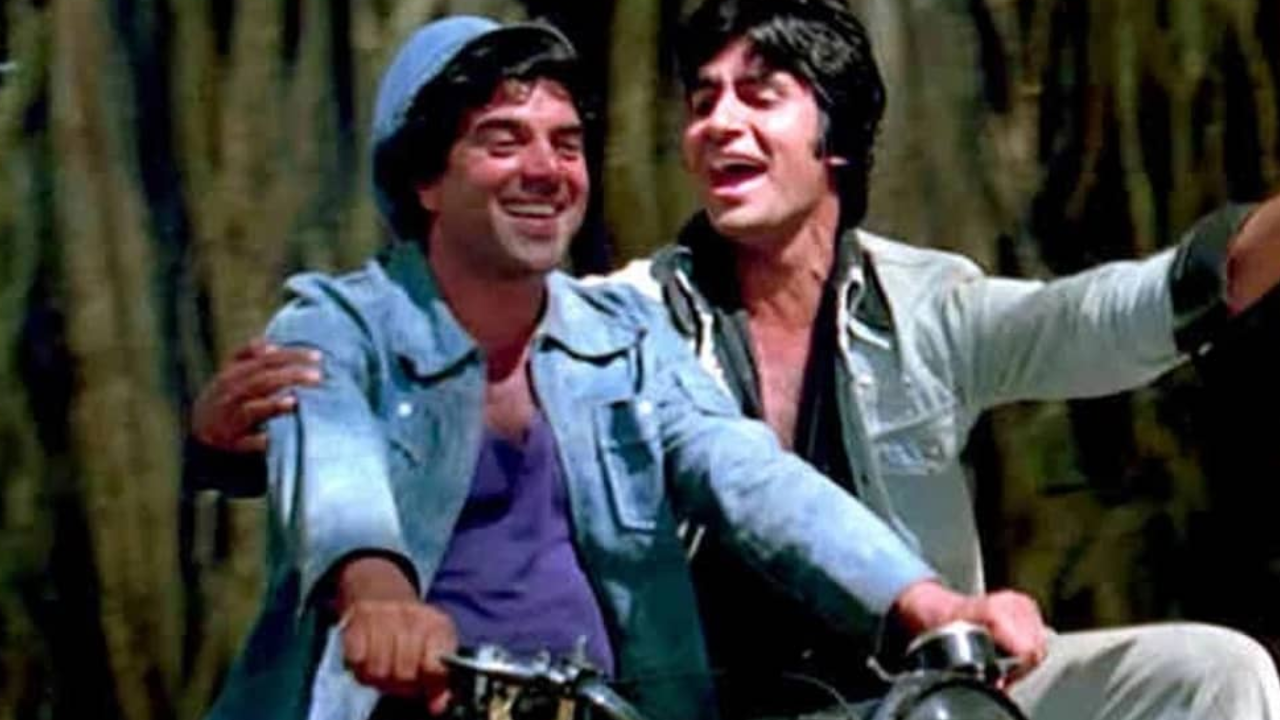
Nearly five decades after release, Sholay endures not just as a landmark film but as a musical benchmark. The soundtrack, composed by R.D. Burman, is a rare example of film music that functions both as cinematic storytelling and independent listening pleasure. These songs have matured like vintage wine: their flavour deepens with time, and each listening reveals new emotional textures.
At the core of the soundtrack’s longevity is melody. Tunes like Yeh Dosti Hum Nahi Todenge lodge themselves in memory because they are simple, singable and emotionally direct. The chorus becomes communal ritual the kind of song people sing at reunions, road trips and stage tributes. That immediate melodic recall is one reason the track still triggers shared emotion across generations.
The voices behind the songs matter equally. Performances by Kishore Kumar, Lata Mangeshkar, Asha Bhosle and Manna Dey were never mere technical displays. Each singer brought character and empathy, making the songs feel less composed and more lived-in. Their phrasing and tonal warmth turn lyrics into lived emotion, which is why old film songs often outlast the movies that introduced them.
R.D. Burman’s arrangements are another key. He mixed Indian classical textures with then-modern instrumentation and studio techniques to create a sound that felt contemporary in its era yet timeless in its craft. Subtle orchestration choices a mournful flute line, a percussion motif, a restrained string swell give many Sholay songs cinematic depth while leaving room for the melody to breathe.
Lyrically, the songs capture universal themes: friendship, courage, celebration, longing. Holi Ke Din is more than a festive number; it’s a cultural snapshot of joy that translates easily into present-day playlists and social media reels. Yeh Dosti is not just about two film characters it’s an anthem for loyalty that any listener can claim. That universality makes the tracks resilient to changing tastes.
Timing and cultural placement helped too. Sholay arrived when India’s film music scene was fertile, and radio, cassettes and family gatherings amplified these songs into everyday life. Over time they accumulated associations weddings, childhood memories, roadside tea stalls which fed nostalgia and kept the music relevant.
Finally, true classics reward repeated listening. Sholay’s soundtrack is built from well-crafted parts: melody, voice, arrangement and lyrical truth. Together they form songs that do not age out; they age in. Like vintage wine, they grow richer, their complexity appreciated more by each passing year.
Read More About: Boitha Maro by Papon: The Assamese Folk Fusion That Transformed Coke Studio



Leave a Comment