The Caged Bird’s Burden: Exploring the Paradox of Freedom and Hardship
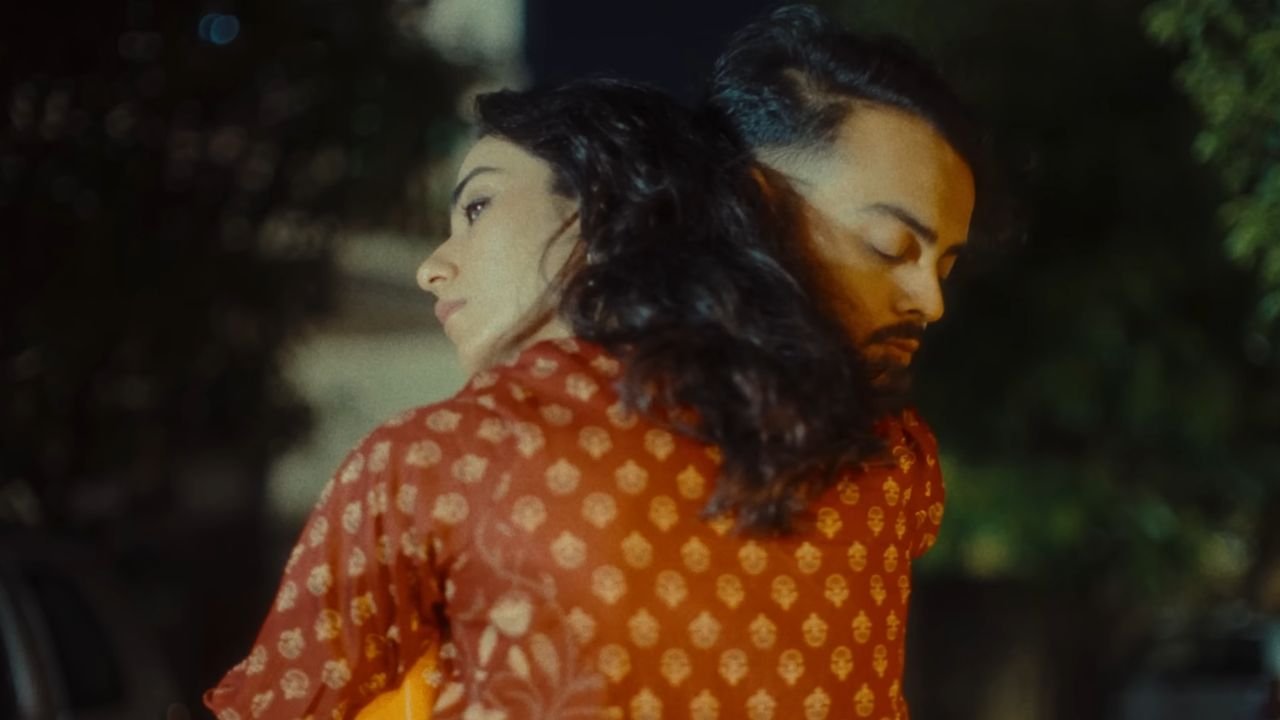
There’s a particular kind of exhaustion that doesn’t come from a single event, but from years of accumulated weight the kind that settles so deep it starts to feel less like a burden and more like an identity. That’s the emotional terrain ‘Taare‘ by Farak moves through, and it’s worth sitting with, not just as a song, but as an honest map of what prolonged struggle actually does to a person’s relationship with hope itself.
The Comfort of the Stumble
There’s a line in the song that describes an “old and special connection” with life’s setbacks ठोकरों and it’s one of the more quietly devastating admissions a lyric can make. Because what it’s really describing isn’t self-pity. It’s familiarity. When hardship becomes the constant in someone’s life, and peace becomes the exception, the psychology of that person starts to reorganize itself around the hardship. Pain, paradoxically, becomes the more legible emotion the one that doesn’t require adjustment, doesn’t ask to be trusted. Peace, by contrast, can start to feel foreign, even suspicious, simply because it’s unfamiliar. This isn’t weakness. It’s what repeated struggle does to the nervous system’s sense of what “normal” even means.
The Caged Bird Paradox
The song’s central image does the heaviest lifting: “परिंदा कैद पिंजरे में, उसे डर आसमान का है” the bird is imprisoned in the cage, and it is afraid of the sky. It’s a paradox that anyone who has lived through prolonged confinement, emotional or otherwise, will recognize instantly. Freedom, when it finally becomes available, doesn’t always feel like relief. Often, it feels like exposure. The sky is vast, unpredictable, and entirely unfamiliar to a bird that has only ever known the dimensions of a cage. What looks like fear of freedom from the outside is, from the inside, actually a fear of the unknown — a fear compounded by the fact that the “will to fly” itself can atrophy after enough time spent unable to use it. The metaphor doesn’t ask us to judge the bird for staying still. It asks us to understand why stillness, after enough years, starts to feel safer than flight.
The Empty House and Lost Belonging
Running alongside that fear is a quieter kind of grief the loss of “home” as a concept, not just a place. When belonging disappears, what’s left isn’t just physical displacement; it’s the loss of a psychological refuge, the internal space a person retreats to when everything else falls apart. Without that refuge, the heart becomes more exposed, more available to be “looted” by circumstance again and again, because there’s no safe interior left to protect it. This is where the song’s melancholy deepens — it’s not just about hardship, but about hardship compounding on itself because the usual buffers against it have already been stripped away.
The Physicality of Hope
Perhaps the most affecting image in ‘Taare’ comes near its close: “कंधे झुक रहे हैं, उम्मीदों का भार ज्यादा है” shoulders bowing under the excessive weight of expectations. It’s a striking reversal of how hope is usually talked about. Hope is so often framed as light, as lift, as the thing that keeps people going. Here, it’s framed as weight something that has to be physically carried, and carried by a body that has already given up almost everything else just to keep standing. It captures something rarely said out loud: that maintaining hope, especially after loss, is not passive. It’s labor. And for someone already stretched thin, that labor can become its own kind of exhaustion.
A Final Question
The song closes on the line “पाने को अब कुछ बचाना है” nothing left to gain. It’s a stark note to end on, and deliberately unresolved. Is there a strange, terrifying freedom in reaching a point where there’s nothing left to lose? Or is it simply a final, heavy silence the sound of someone too tired to keep hoping out loud?
‘Taare’ doesn’t answer that question, and it shouldn’t. What it does instead is validate something a lot of people carry quietly: that being “broken beyond repair” खरा टूट के फिर वो समेटे ना सिमटता है isn’t a flaw to be fixed on command. Sometimes, it’s simply the truth of where someone is standing, and the song’s real achievement is refusing to look away from that.
Read More About: Kunwarr Falls Head Over Heels on New Single ‘Crazy4U,’ a Punjabi Pop Anthem Built for Endless Replay


Leave a Comment